


Read the background story about how Tom and Helen, together with the VSCC brought back the Vintage and Historic Seaman Trophies to Oulton Park Gold Cup, in 2026.
October 2026
By Tom Hardman
From an Idea to an Actual Race
Although the months leading up to the August Bank Holiday weekend, 2026, were something of a whirlwind, this particular story began back in August 2025.
Chatting with Ben Fidler, owner of R4D and AJM1, we found ourselves discussing how, of all the great circuits in the UK, Oulton Park was missing from the calendar for our grid. And we were feeling it. Ben asked whether I thought there was anything I could do about it.
It was a good question. I started asking other drivers and canvassing opinion at Goodwood Revival. It seemed we were not the only ones who felt that something was missing.
There was never a grand commercial strategy behind it. Although we make our living in the trade, at heart I am an enthusiast. These were the cars I had loved watching since I was a boy, Oulton was a circuit I knew, and it was becoming increasingly difficult to see genuine pre-war Grand Prix machinery racing together in any real numbers. Could we do something about it?
What followed was a lot of conversations, phone calls and head-scratching. Remarkably, there were very few disagreements. It was mostly people saying, “Yes, you do that, we’ll do this,” and gradually an idea became something we were actually going to have to deliver.
Once the VSCC came on board to run the grid, they suggested that the Vintage and Historic Seaman Trophies could be contested at the event. We were delighted. Bringing the cars back to Oulton was exciting enough, but seeing these particular trophies contested there again made it all the more personal. I had watched these very races as a boy, which had played a considerable part in my love of pre-war Grand Prix cars.
The Preparations
Anyone who has done something like this will know that agreeing to organise it is one thing; bringing it all together is quite another.
At one stage, we had around 28 cars whose owners had indicated they could take part. That looked healthy on paper, but historic racing has a habit of changing plans. Some cars developed mechanical problems, some drivers faced challenges with paperwork, and others found they had commitments elsewhere. “Curating the grid” became my ever-present companion in the months leading up to the race.
Four weeks before the Gold Cup, we were still trying to fill places. Even fairly late on, we lost three cars and managed to replace two. About a week before the event, we were still sorting out the marquee and agreeing terms.
Meanwhile, Helen was dealing with catering, printing, paddock boards, numbers, clothing, drivers’ bags and all the things you don’t think about when you first say, “Wouldn’t it be good to get a grid of Grand Prix cars together?” Andrew Tarring from the VSCC was on speed dial, but between the three of us, it gradually came together.
It certainly gave us a greater appreciation of the people who make events like this happen. For us, it was a new undertaking; for clubs such as the VSCC, it is part of their everyday work. We are hugely grateful to Andrew and the club for working with us, and have enormous respect for everything they do to enable us to race throughout the year.
Then the Paddock Came Together
The build-up day was full-on, to say the least. But once the cars started arriving, it all made sense.
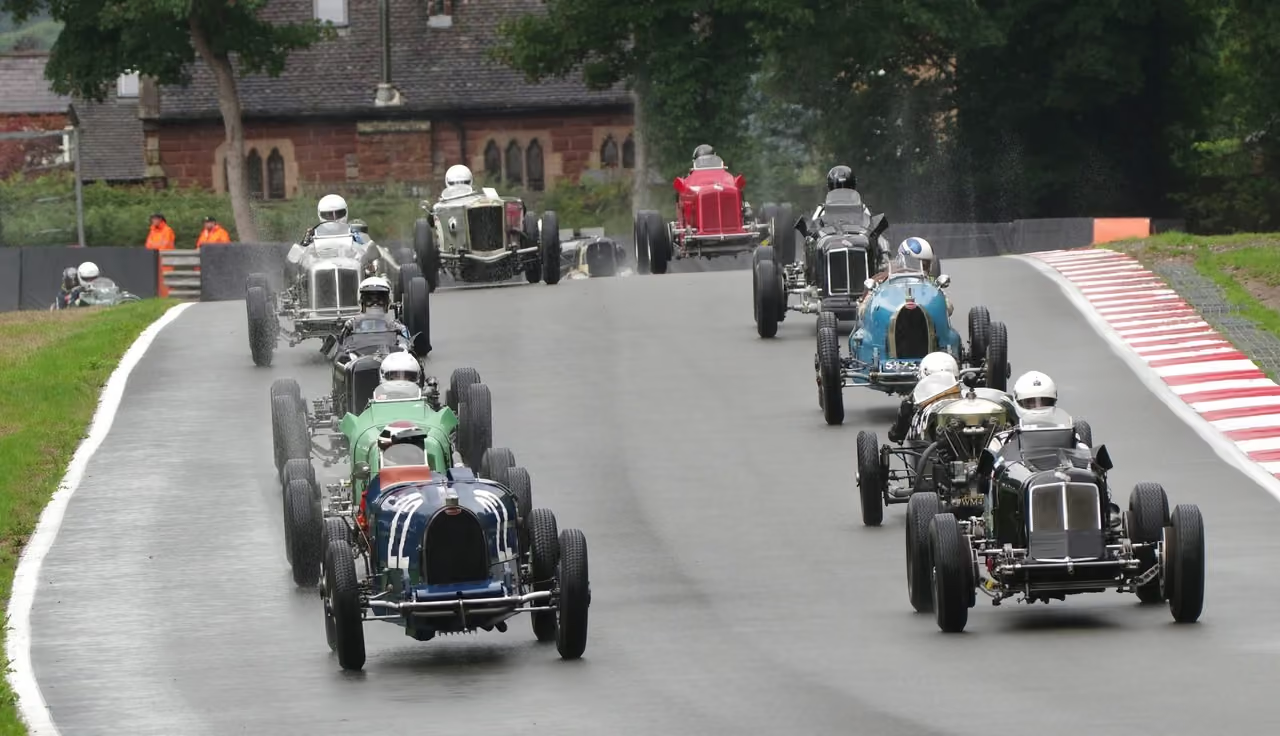
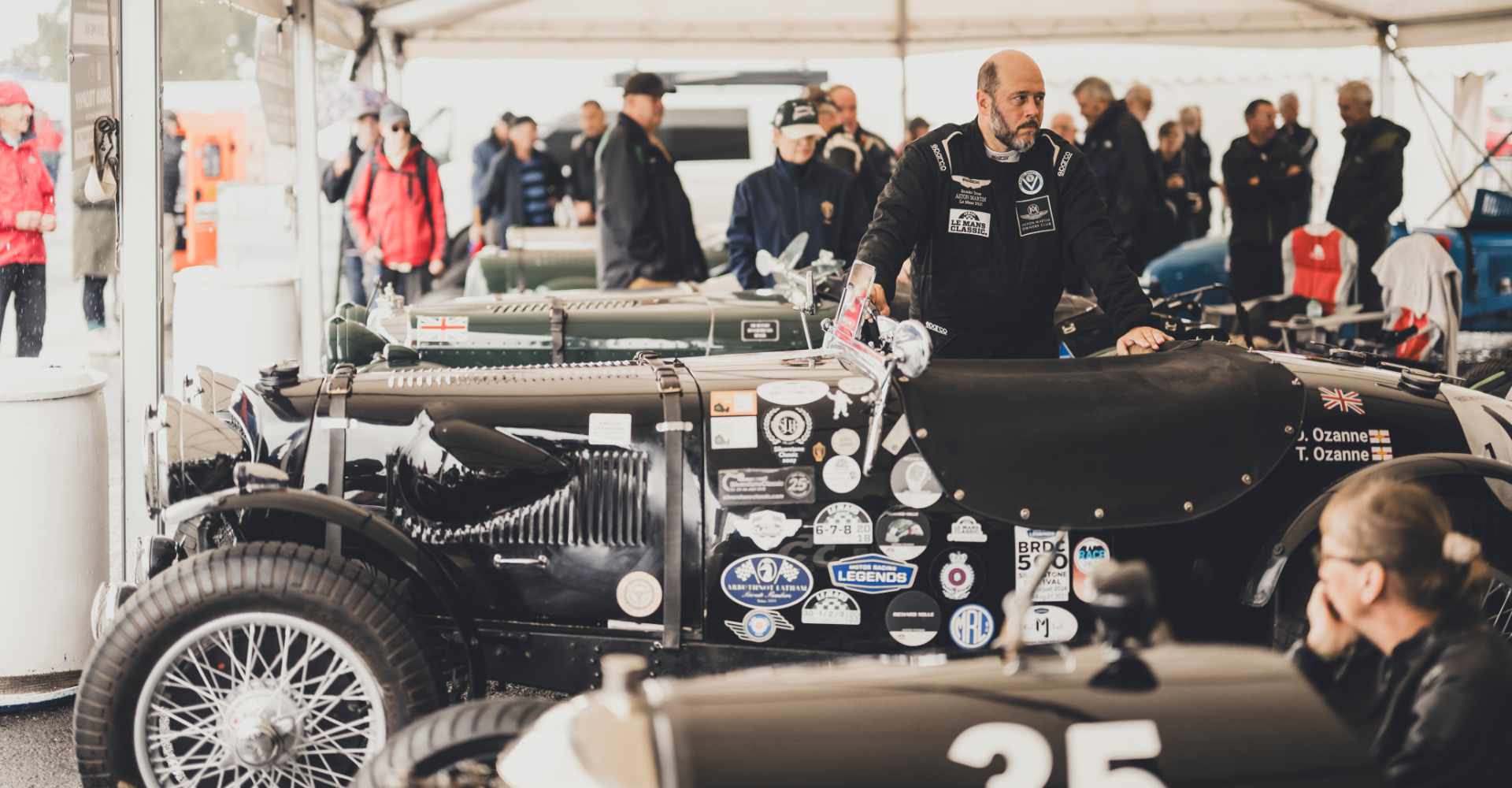
We ended up with 21 cars, including eight of the nine ERAs originally booked, and brought the Alta Grand Prix car out from Brooklands Museum to go on display. There were proper paddock boards above the cars, the Regatta Drivers’ Club marquee, catering and somewhere for drivers, owners, mechanics and families to gather. It looked right, but more importantly, it felt right.
That was probably my favourite part of the weekend.
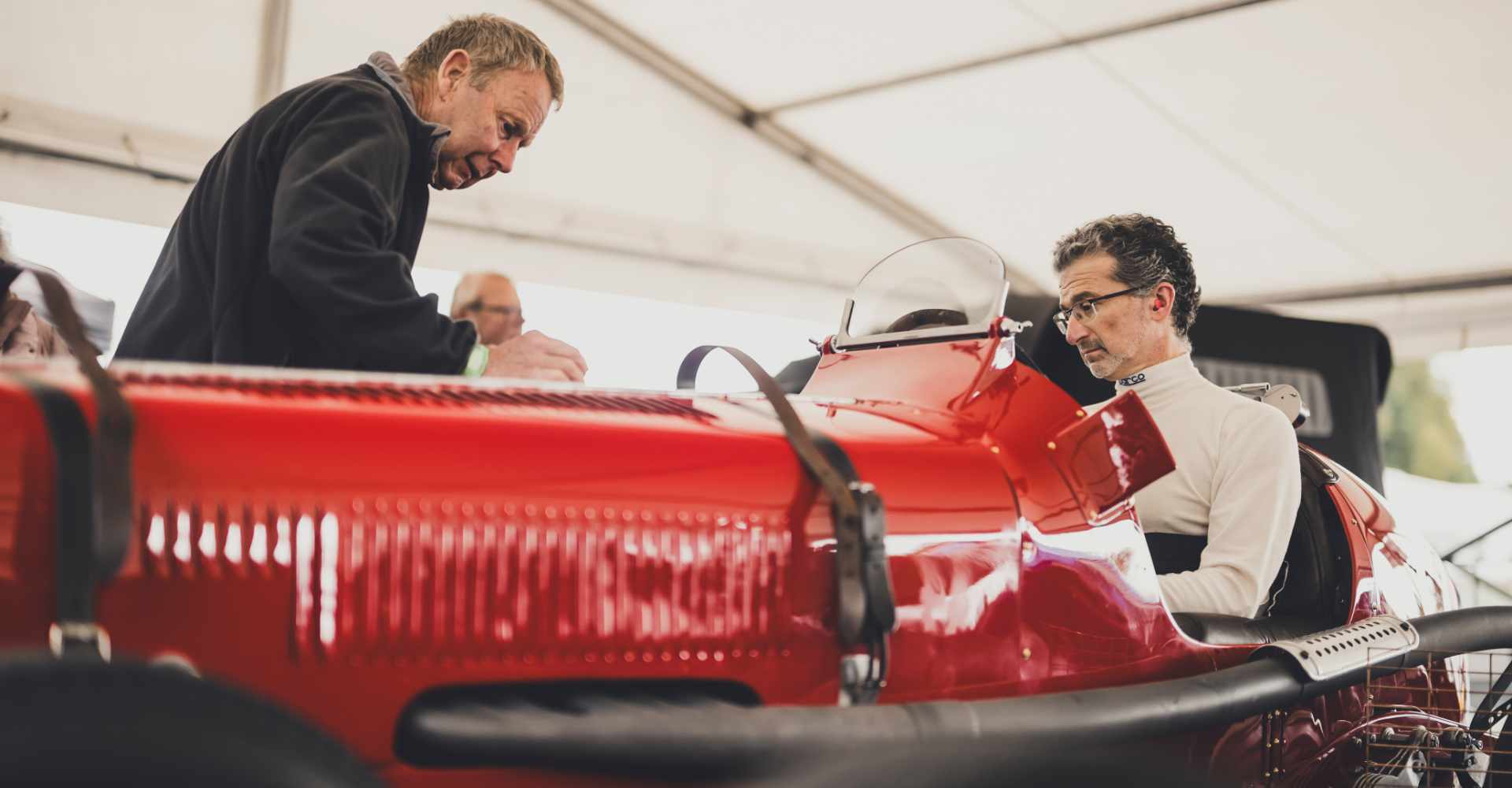
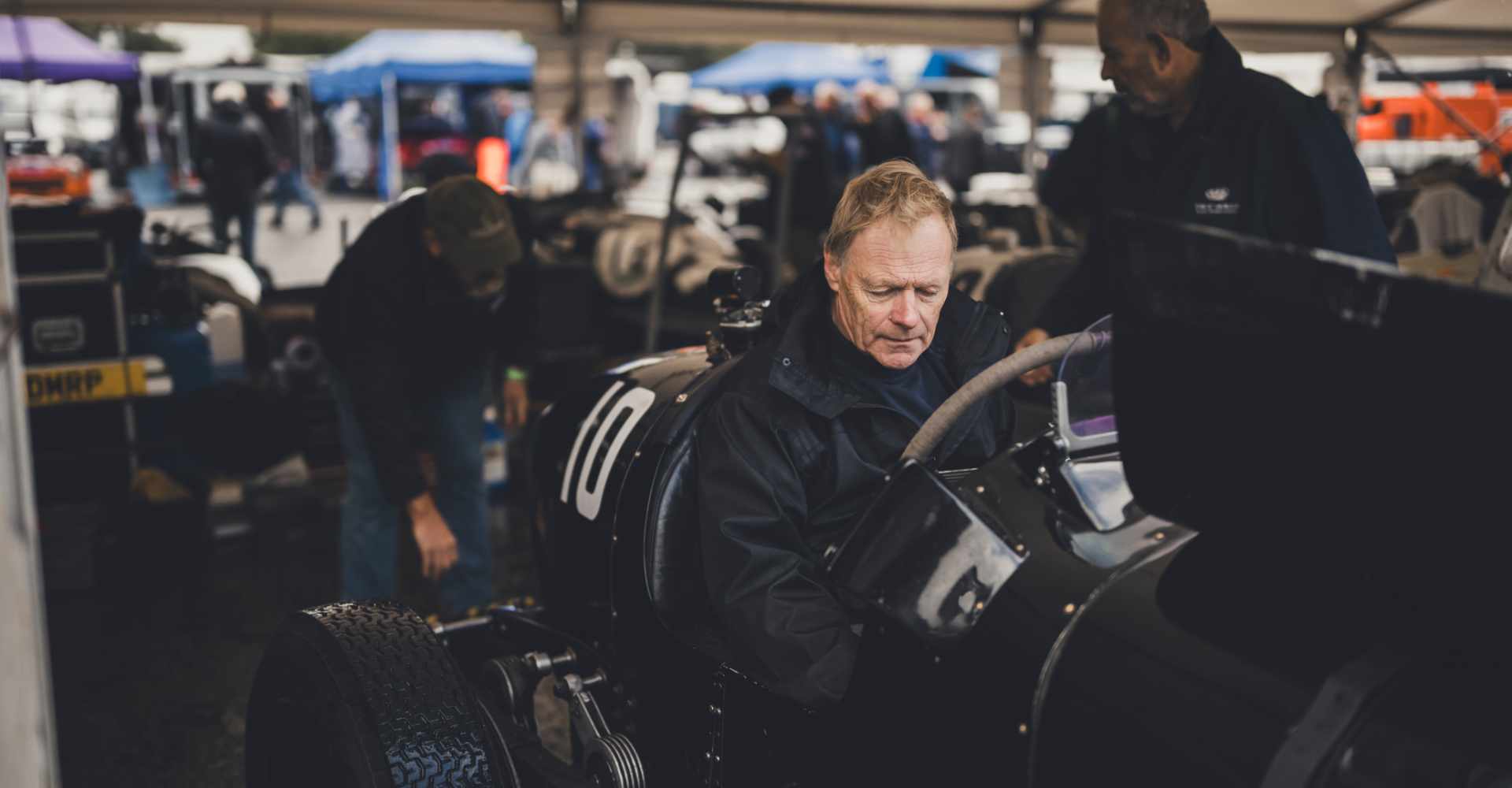
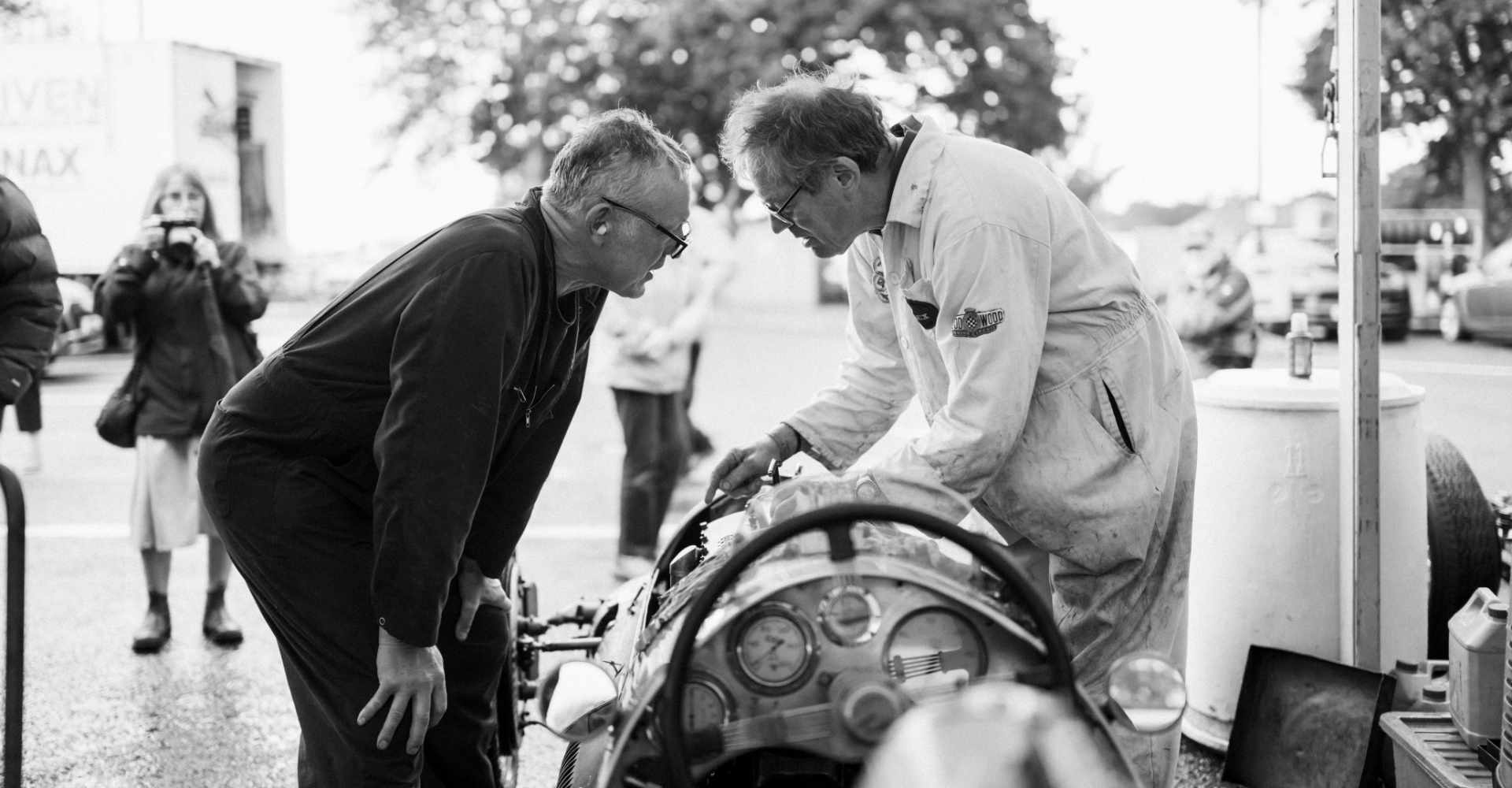
Historic cars bring us together, but this world has always been as much about the people as the machinery. Drivers, mechanics, owners, partners, friends and families were mixing together, helping one another and enjoying the cars. There were some very special cars at Oulton, and some very special people.
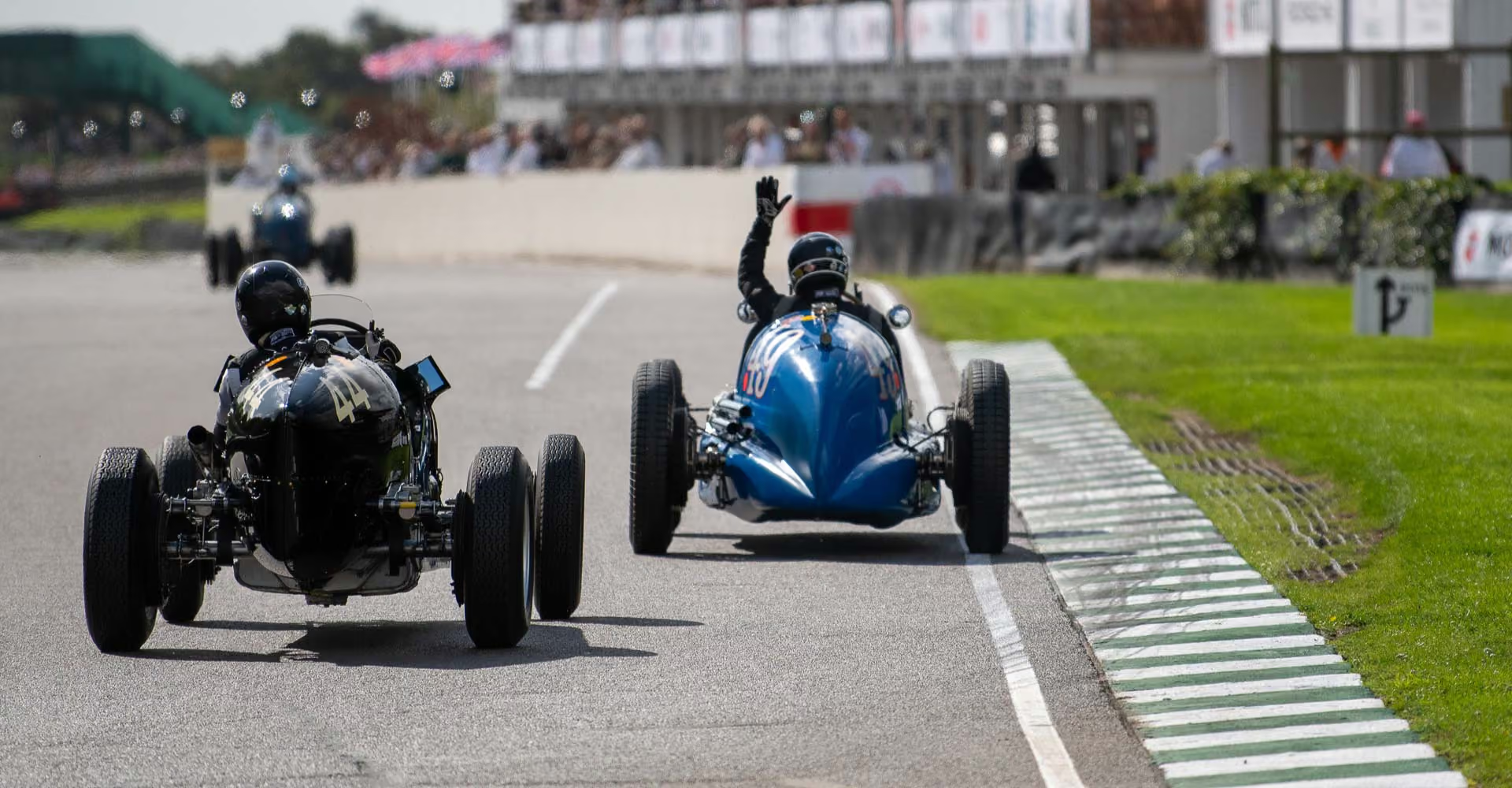
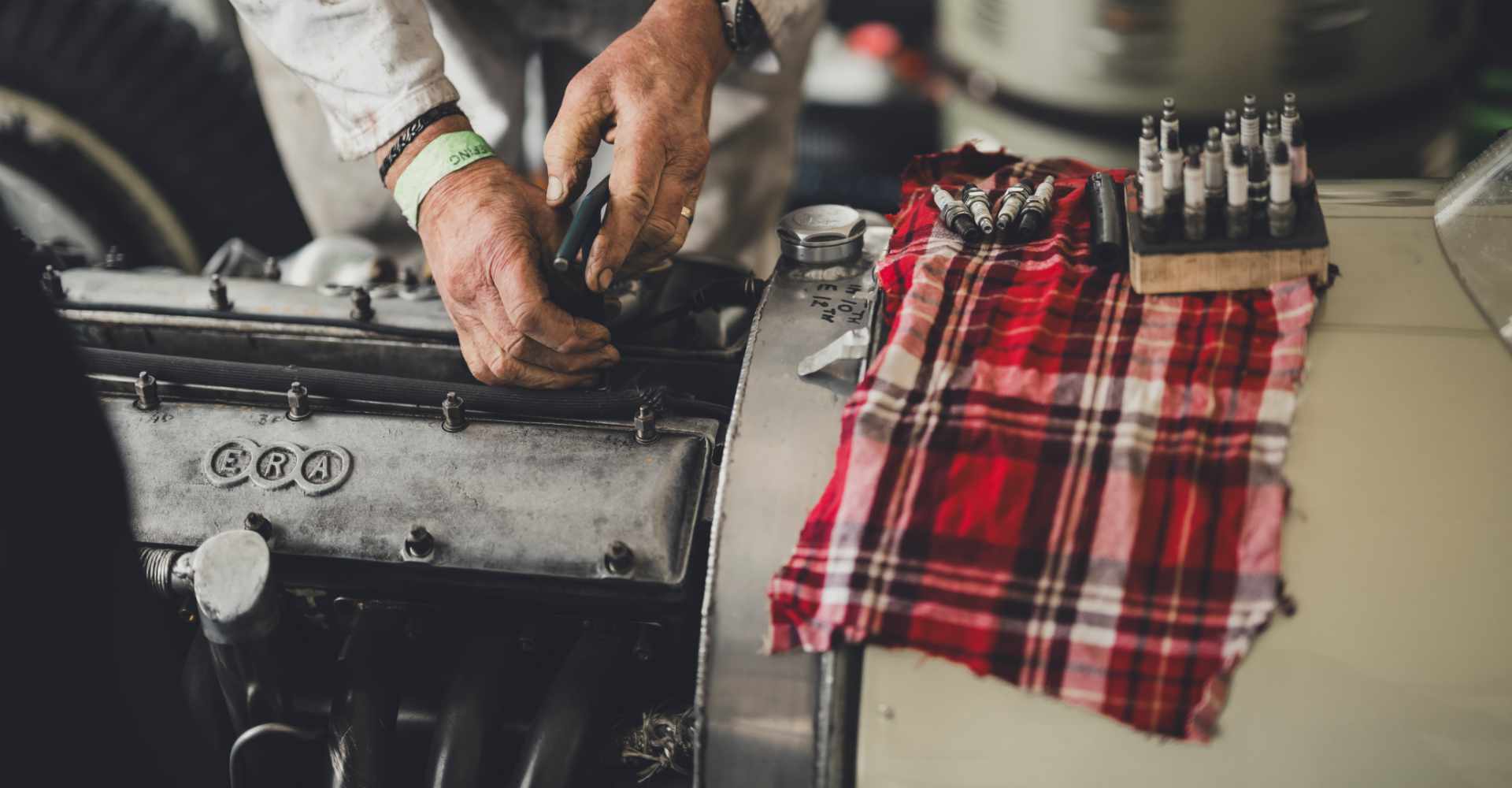
The racing was good, and everyone went out and came home safely. There were a few mechanical problems, as you would expect, but no significant incidents in our races. Behind the scenes, some fairly heroic work was going on. I believe Duncan Ricketts was still working at around two in the morning to get GP1 ready for the second race. He managed it, got the car back onto the grid and, as I remember it, finished somewhere behind me. Which is obviously an important historical detail…
It was also rather special to have ERA R1B, Dick Seaman’s own car, racing for trophies carrying his name. These cars were being driven, raced, repaired and driven again.
That was the whole point.
What Happened Afterwards Was Just as Exciting
One of my hopes was that the event would inspire someone to get involved. I am happy to say it worked rather better than expected.
At Oulton, I encouraged a gentleman who had shown an interest in the Alta to sit in the car and see how he fitted. Nothing particularly dramatic happened at the time. Then, a few weeks later at Goodwood Revival, he found me again.
During the changeover to our new website, the Alta had temporarily disappeared from the stock pages, and he had assumed somebody else had bought it. We ended up walking towards the Drivers’ Club while I was rushing to another meeting, discussing the car and what would be involved in recommissioning it for the track.
The following Tuesday, he rang and we agreed a deal.
Hopefully, the Alta will now be back on track in 2027. To me, that is one of the best possible outcomes of the whole exercise: it has gone to someone who wants to experience it.
Oulton has led to other conversations too. We have subsequently been entrusted with a wonderful Alfa Romeo 1750 with replica Zagato coachwork.
What has struck me is how many people don’t realise that an Alfa Romeo of this period could be such a serious sporting car. People familiar with the marque’s modern saloons and SUVs may know very little of its early sporting history. Within historic motorsport, we take that knowledge for granted, but there is real value in bringing these stories to a wider audience.
For me, generating that interest is fundamental to the future of historic motorsport. It was certainly one of the motivations behind bringing this grid together.
These Cars Need to Be Seen
We cannot expect people to care about these cars if they never see them, hear them or watch somebody drive one. For younger people growing up in an increasingly digital world, that first encounter with the real thing can be what sparks an interest.
Preservation matters enormously, and museums have an essential part to play. So does keeping these cars in use. They have survived because generations before us understood them, maintained them and shared them. I think we have a responsibility to keep doing the same.
For Helen and me, it is also about the people behind the cars. Their stories are full of courage, faith, ingenuity, risk and perseverance. People faced challenges, tried things, got them wrong, overcame problems and sometimes achieved something extraordinary. You can stand in front of these cars and see what those efforts produced.
That matters because history can give the next generation a sense of what is possible. Our children, and young people more widely, need to see that those who went before them faced uncertainty too. If they can look at a car and the story behind it and think, “If they did it, perhaps I can too,” its value goes far beyond being an interesting piece of old machinery or an expensive toy.
This is history you can get your hands on. The challenges faced a hundred years ago still have their echoes in paddocks and workshops today, where people continue to solve problems, develop skills and learn from one another.
We can offer young people a tangible connection to that past, and something valuable to take from it. If we don’t make the effort now, we can hardly complain in twenty years’ time if there is nobody ready to pick up the mantle. By then, some of that knowledge and connection may already have been lost.
The Cars Bring People Together
Oulton also reminded me how much these cars depend on the communities around them.
Having a shared marquee and Drivers’ Club worked particularly well. The weather brought its challenges and, although everyone could shelter in the paddock, there was no such protection once they went out on track. Some of our drivers had also been involved in an accident in another race and were understandably shaken. It was good that they had somewhere to sit down, recover and talk through what had happened.
People ate together, spent time together and then raced together. I believe the sense of community that developed also helped us approach the racing more safely. Faced with difficult conditions, we could talk as a grid about how we were going to tackle them.
The spectators became part of it too. Some remembered watching these cars at Oulton decades ago; for others, it was their first encounter with an ERA, Delage or Maserati being properly used. We heard from people around the circuit that, when our grid appeared, spectators were getting up, moving forwards and calling others over to have a look. They were sharing the moment too.
Goodwood reinforced the value of that community a few weeks later. After the Goodwood Trophy, a couple of the ERA drivers and their teams put on champagne and canapés. We spent an hour or so talking through the race, laughing about various moments and enjoying each other’s company.
That camaraderie is a huge part of why we do this. The cars bring us together, and the friendships and shared experiences make us want to come back.
So Would I Do It Again?
Yes. Absolutely.
Despite the last-minute entries, the disappearing cars, the marquee, the catering, the phone calls and the swallowed August, I would absolutely do it again. I say I - but it wasn't an I. It was a 'We'. Between us all, we did it - and I include the VSCC, all the drivers and the teams and families in that too.
Since then, the race has been shortlisted in the Competitive Event category of the Royal Automobile Club Historic Awards, and Helen and I are joint finalists for the Personal Endeavour award. That is truly humbling. To have the work recognised in this way already feels like a win.
In fact, I have started thinking about what could come next. I would love to see another grid alongside the Grand Prix cars, perhaps based around original sports cars competing in small teams: Bentleys, Aston Martins, Bugattis, Rileys, Talbots and others. Three cars to a team, a bit of friendly rivalry, and another paddock full of owners and drivers getting to know one another and sharing their cars with the world.
We are discussing the idea with the VSCC, so let’s see whether it can find some life too. Twelve months ago, bringing a grid of Grand Prix cars together at Oulton Park was only an idea.
Sometimes you just have to ask the question.
See the RAC Historic Awards Shortlist here
Acknowledgements
None of this would have come together without the people and businesses who backed it. Our corporate supporters helped us create a welcoming Drivers’ Club and give the weekend the sense of occasion it deserved. Helen and I would like to thank each of them.
Regatta Great Outdoors
A particular thank-you to Regatta, our principal Drivers’ Club partner. A family-owned outdoor clothing business was a fitting companion for a British bank holiday race meeting, and their support helped give everyone a welcoming base for the weekend. The embroidered competitor jackets were a lovely touch too, and a lasting reminder of the occasion.
Elev8 Exchange
Specialists in foreign exchange and international payments, Elev8 help businesses manage the practicalities of working across borders. We are very grateful for their support of our Drivers’ Club and for backing the people and enthusiasm behind this event.
Classic & Sports Finance
With specialist knowledge of classic, vintage, sports and competition car finance, Classic & Sports Finance understand the enthusiasm behind these cars as well as the practicalities of owning them. It meant a great deal to have the support of a team so closely connected to our world.
www.classicandsportsfinance.com
Turrino Wire Wheels
Turrino’s hand-built British wire wheels are a fine example of the specialist craftsmanship that keeps historic cars on the road and track. We greatly appreciate their support for the weekend and the skills they contribute to the wider historic motoring community.
The Motorist
Bringing enthusiasts together is at the heart of what The Motorist does at its home in Sherburn in Elmet, Yorkshire. With car meets, events and somewhere to share a meal and a conversation, they understand the value of the people around the cars. Their support for a weekend built on that same spirit was much appreciated.
Kingfisher Zero
Thank you to Kingfisher Zero for supplying 0.0% ABV alcohol-free beer for the Drivers’ Club. It was a welcome contribution to the hospitality and to the time everyone spent together between races. We were very grateful for their generosity.
Our thanks also go to our private supporters, Andrew and the VSCC, and all the competitors, teams, families, marshals and volunteers who helped make it happen. Everyone played a part in a weekend we will remember for a long time.
And last, but by no means least;
Amy Shore Photography
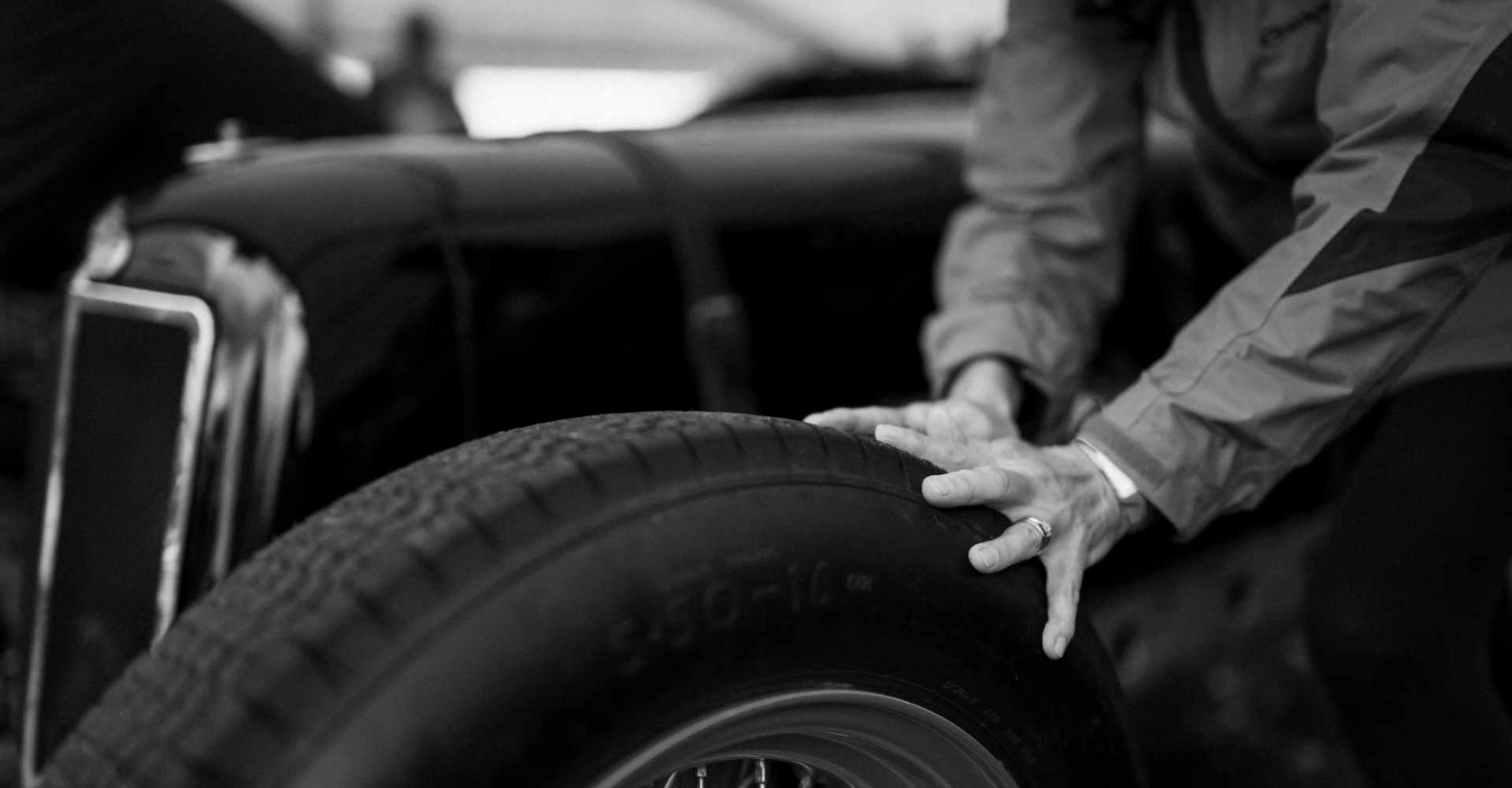
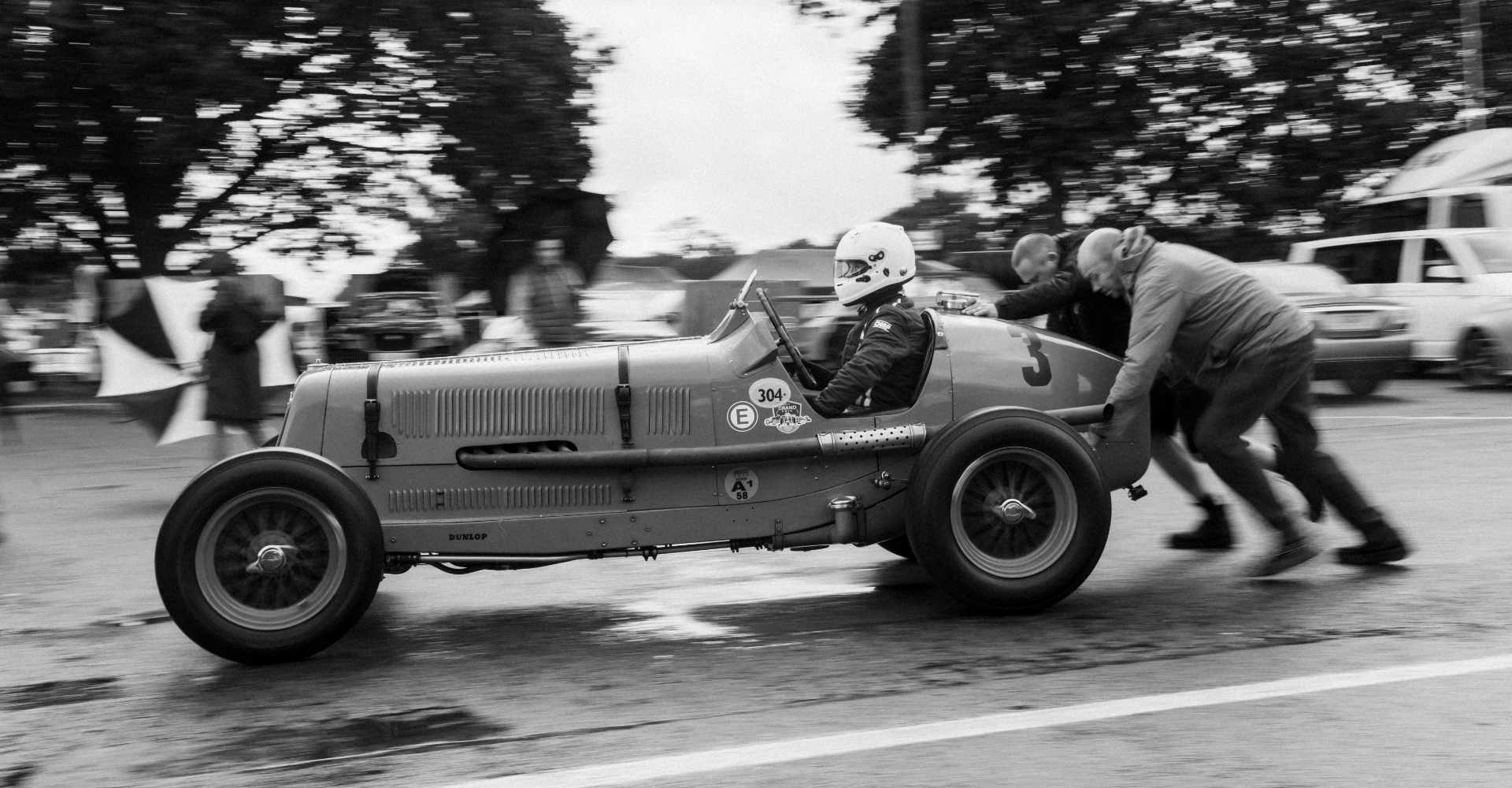
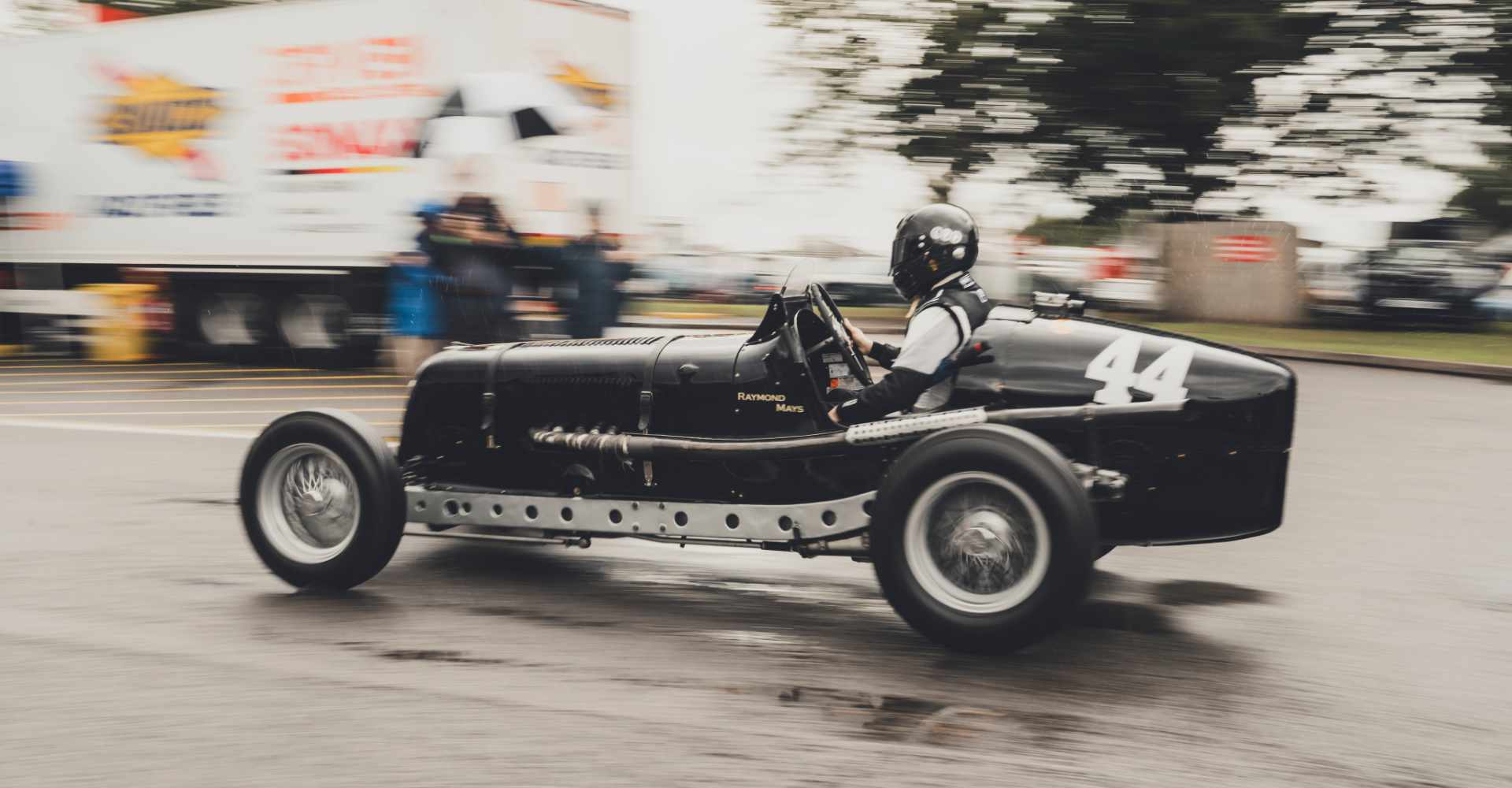
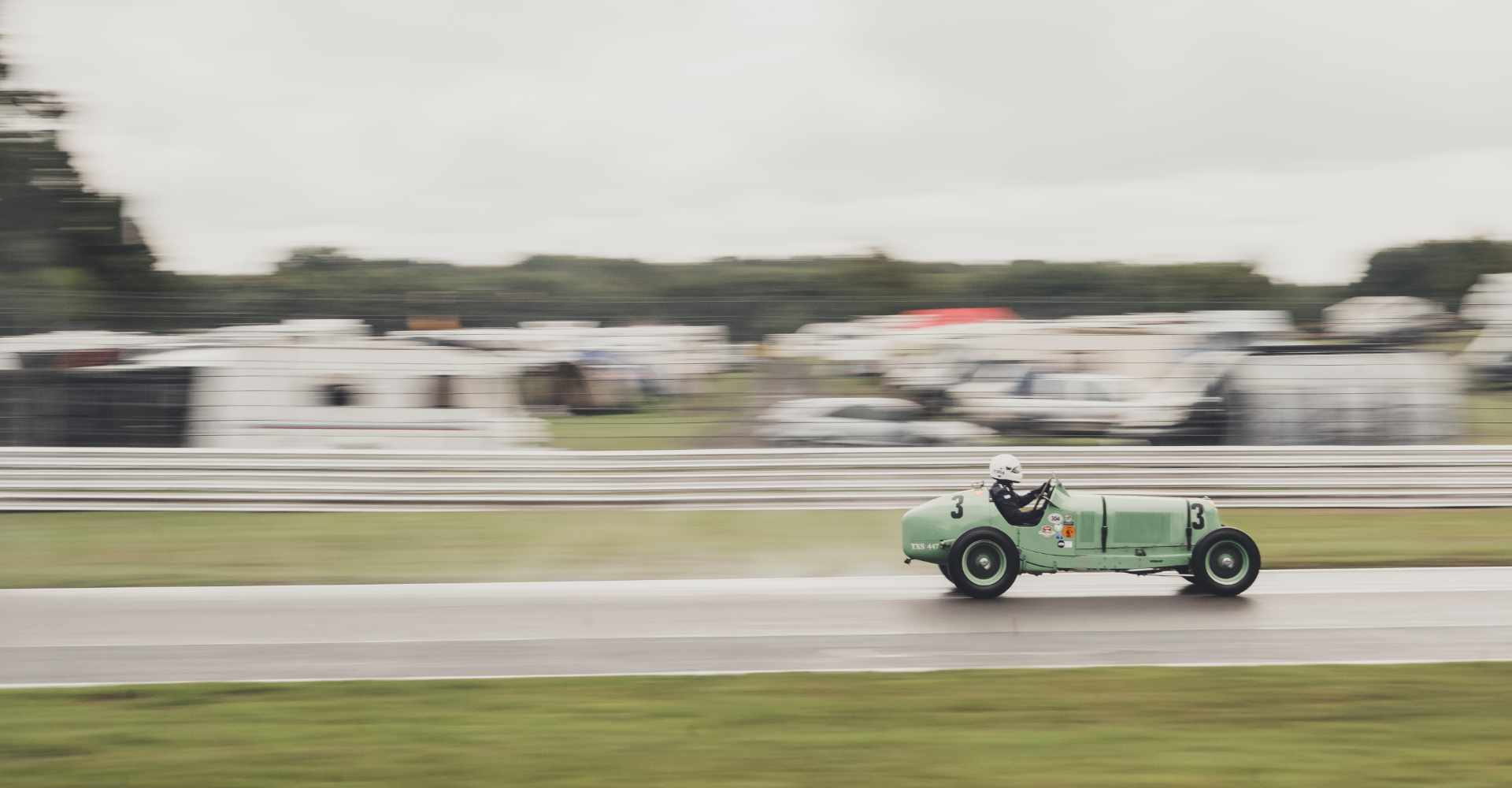
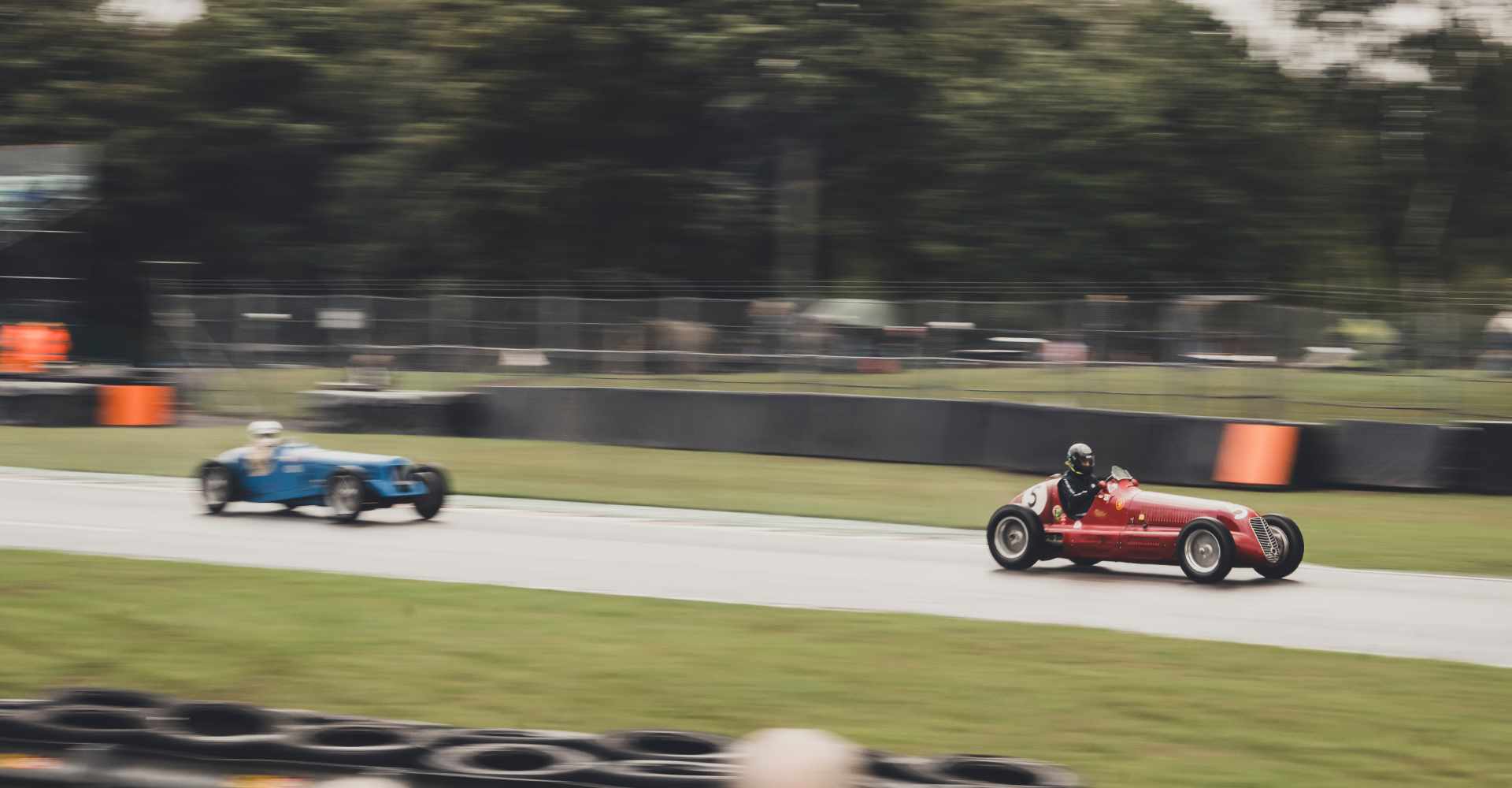
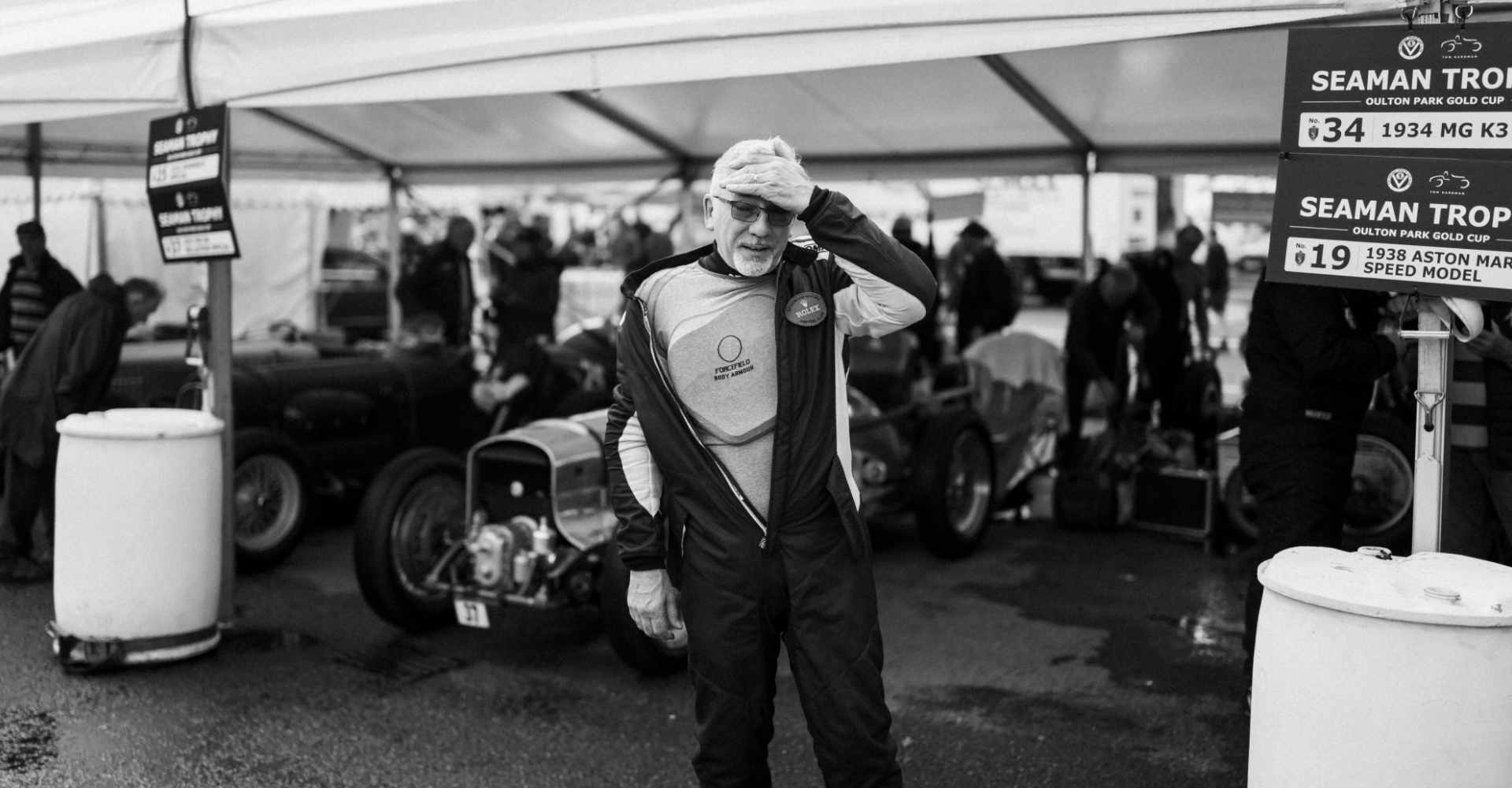
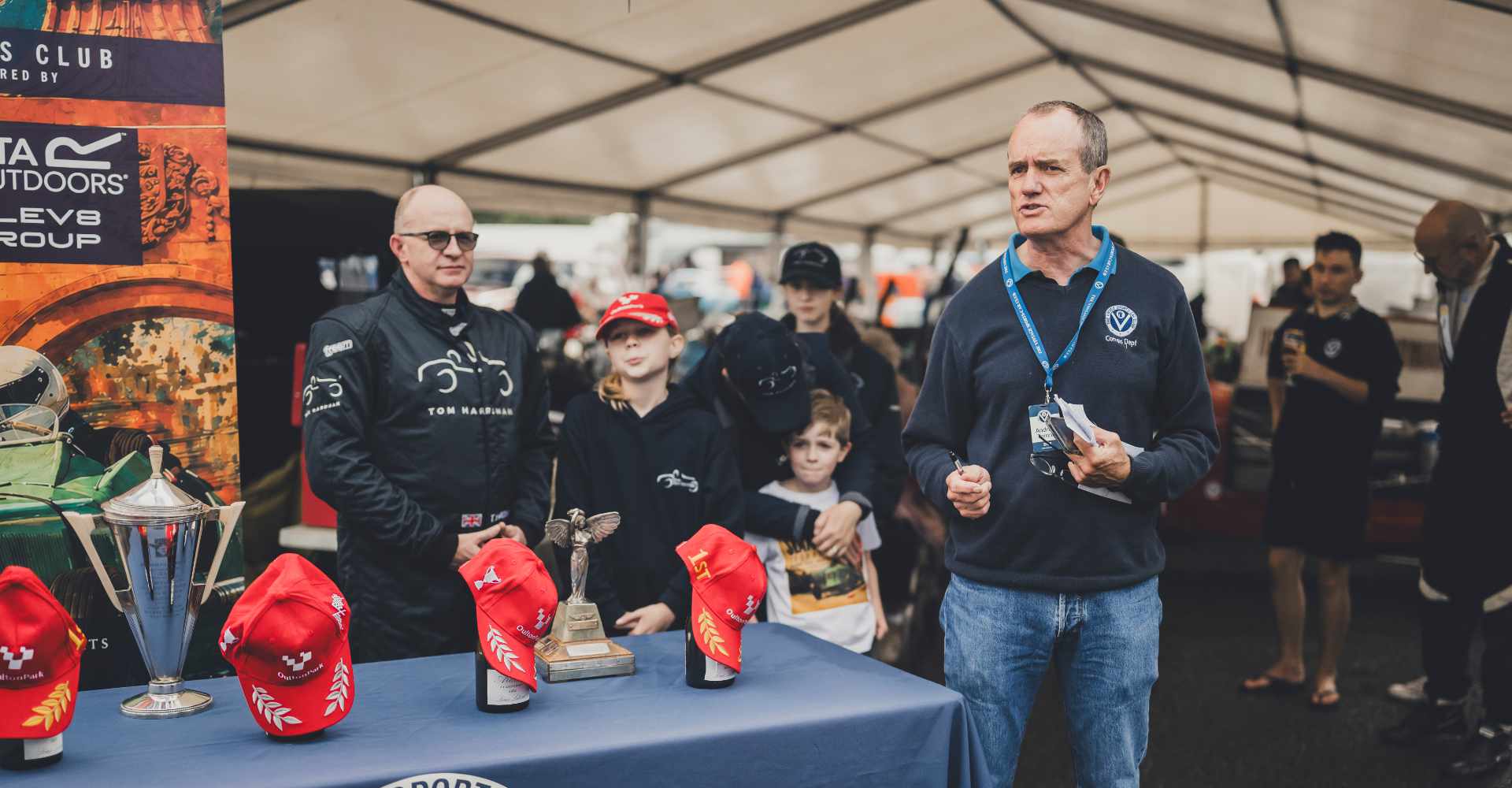
Our thanks also go to Amy Shore, who kindly came along to capture the event for us. We hope to publish more of her wonderful work soon. In the meantime, you can see more of Amy’s automotive photography at amyshorephotography.com. and enjoy some of her pictures of the event below.










Disclaimer
A note on this article
This is a personal account, reflecting our recollections and views at the time of writing. External links are included for interest and information. We don’t control those websites or their content, so please check directly with the relevant provider for details of any products or services.