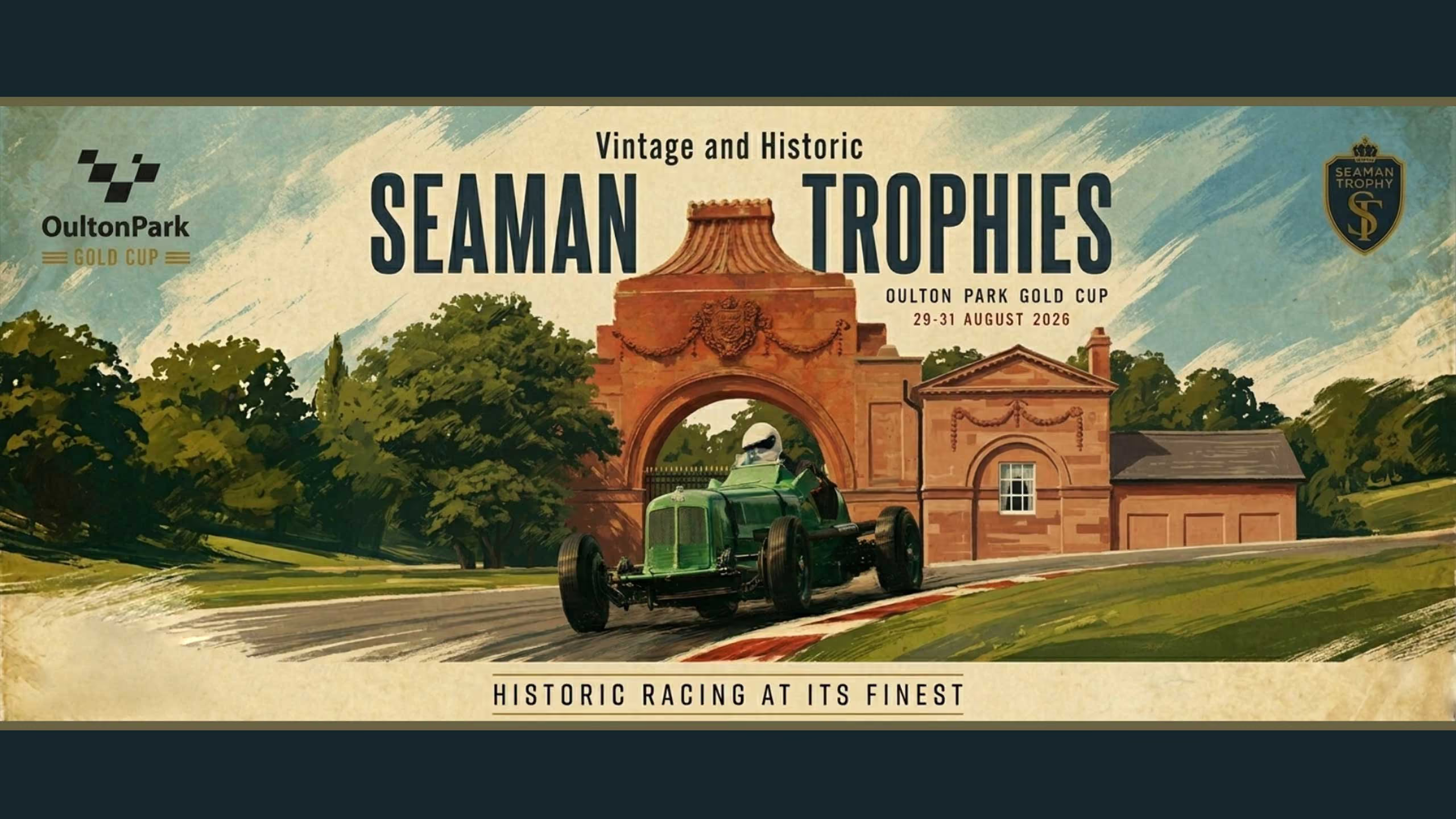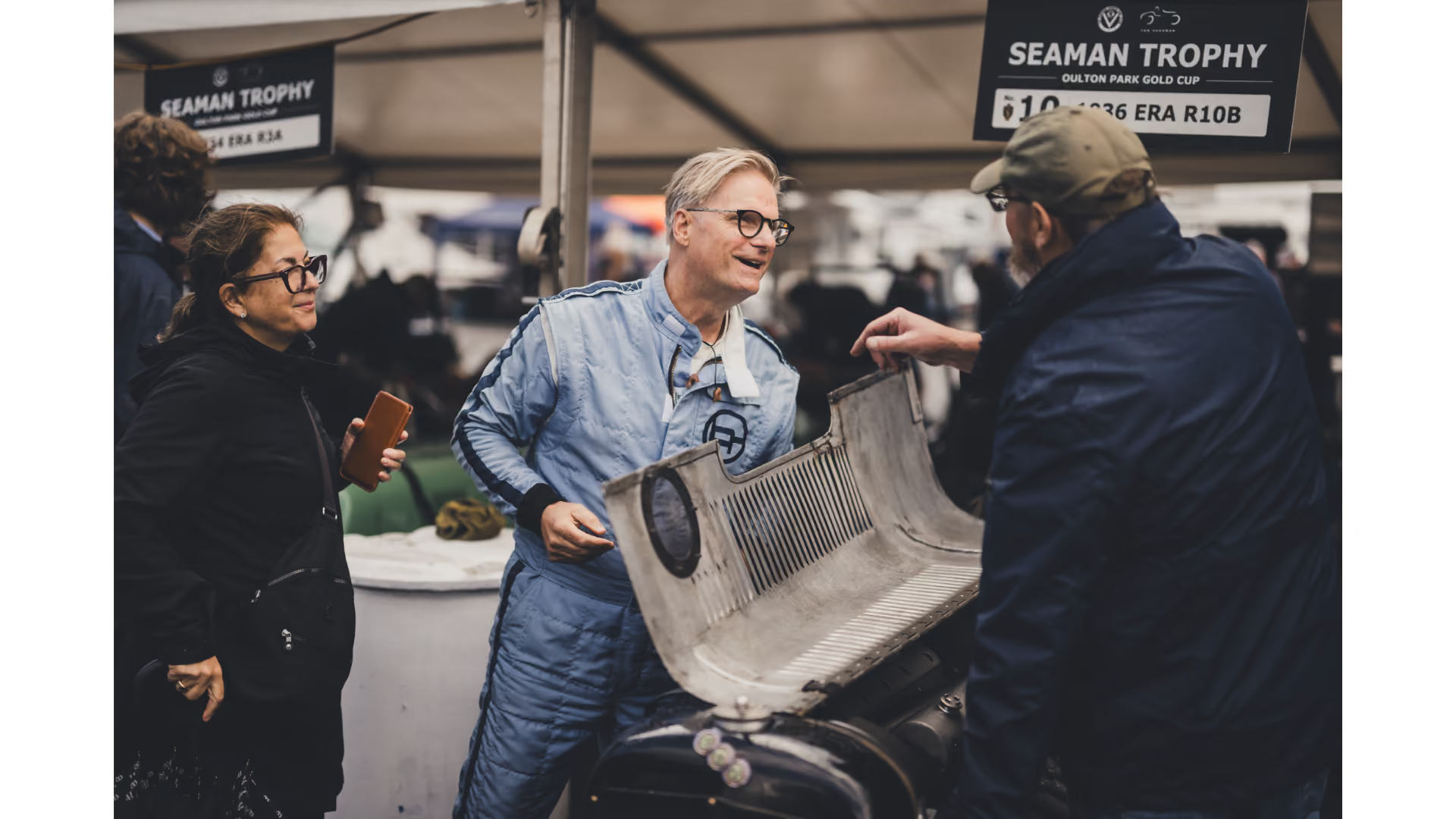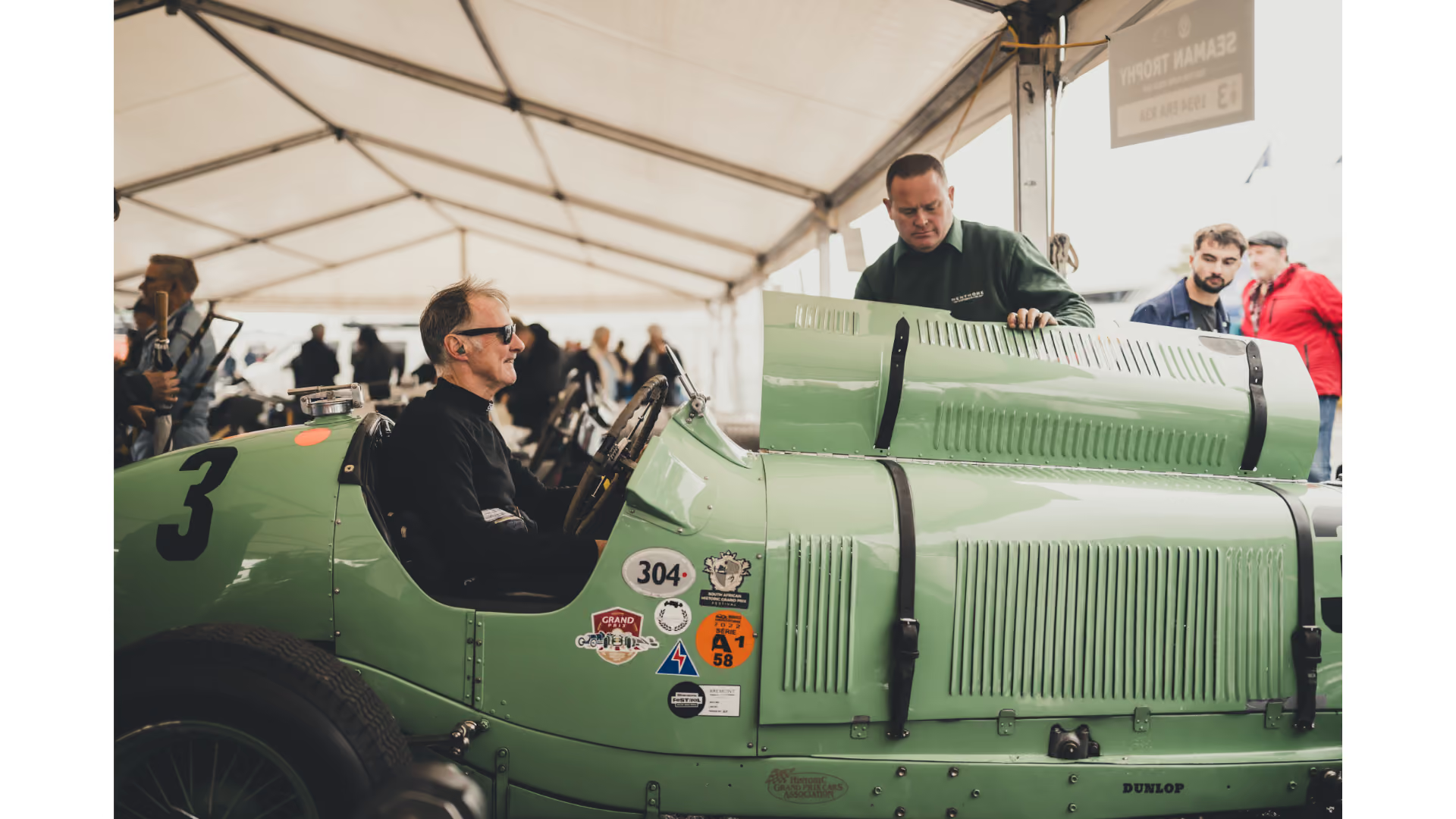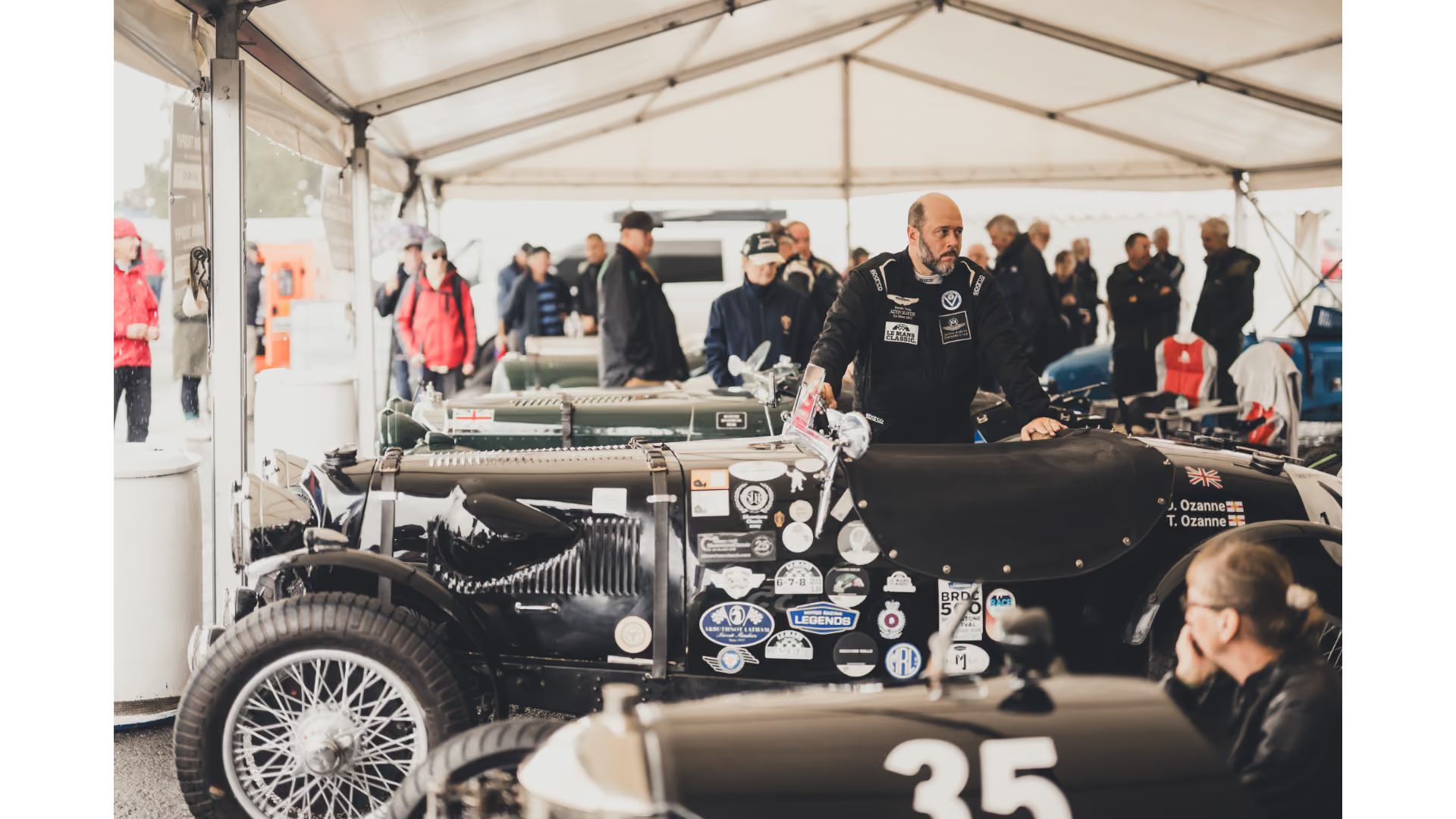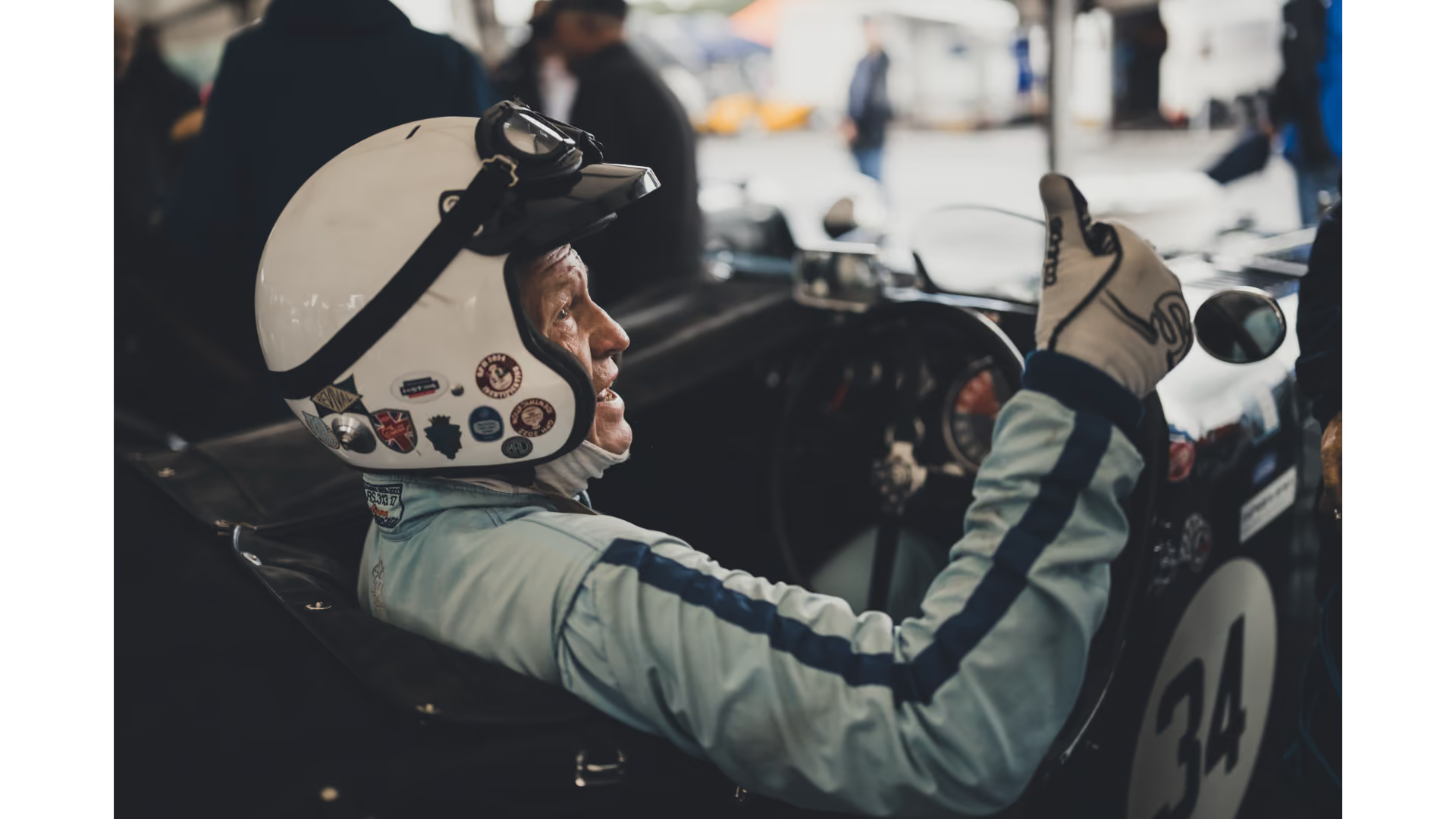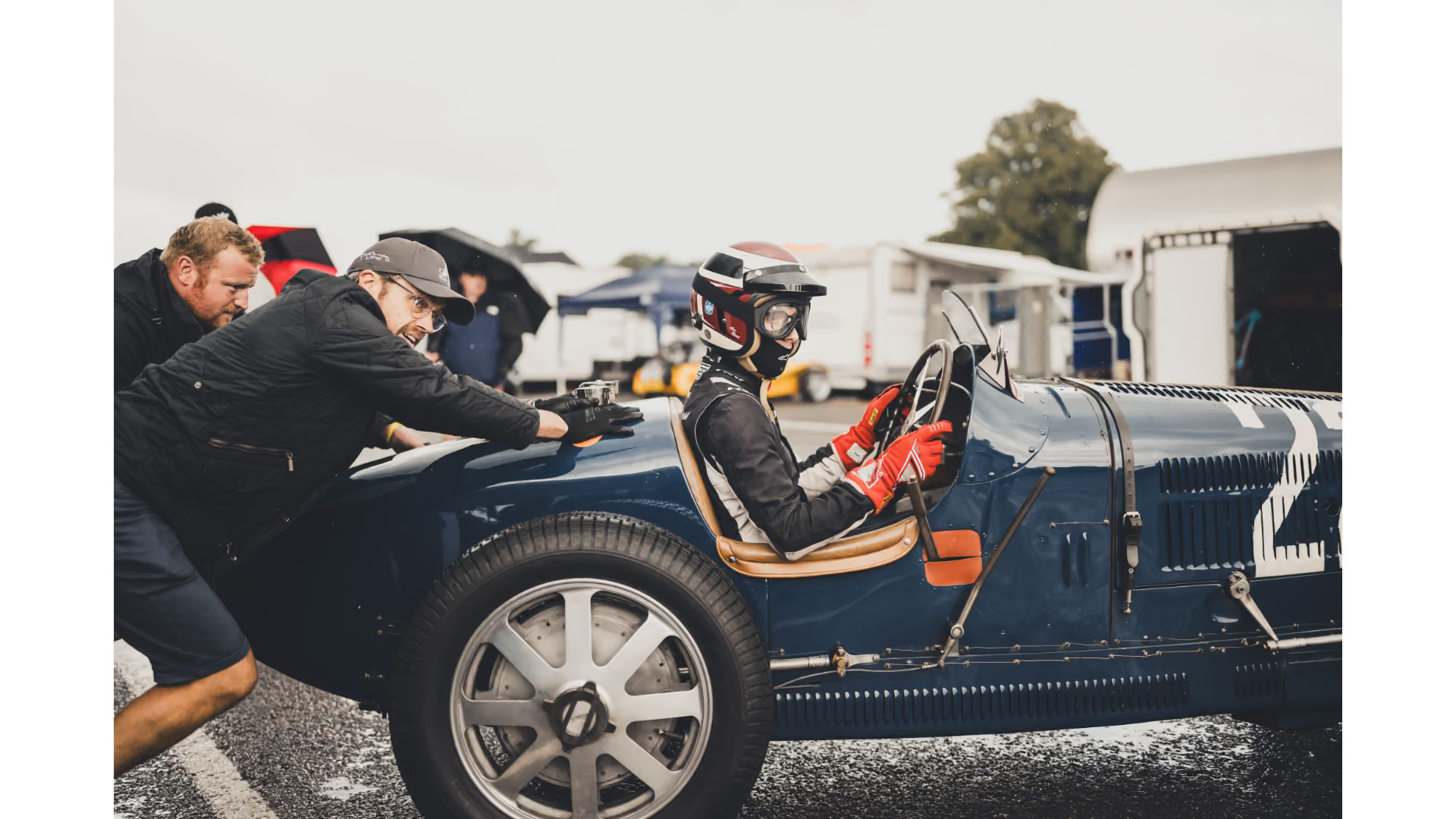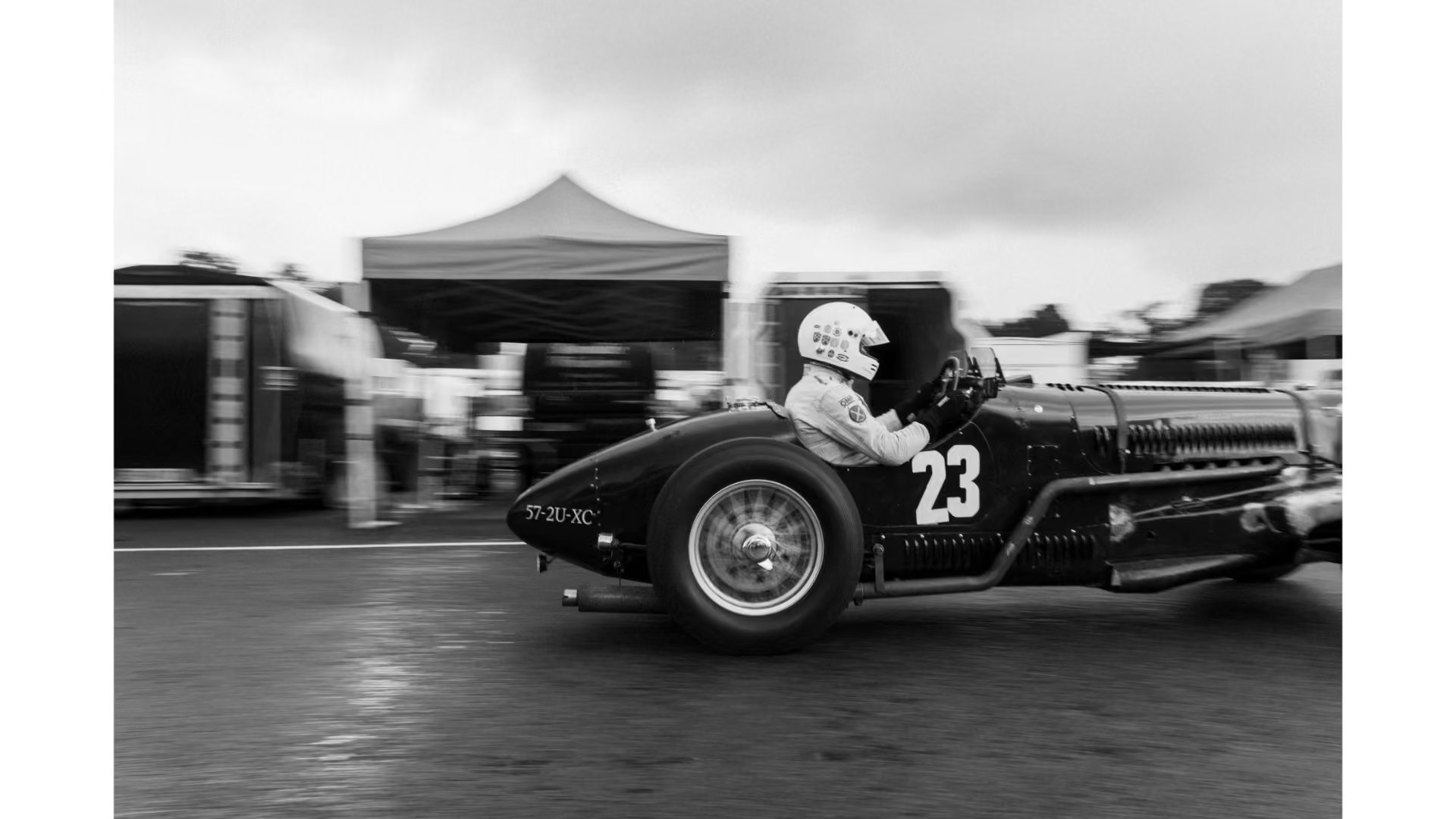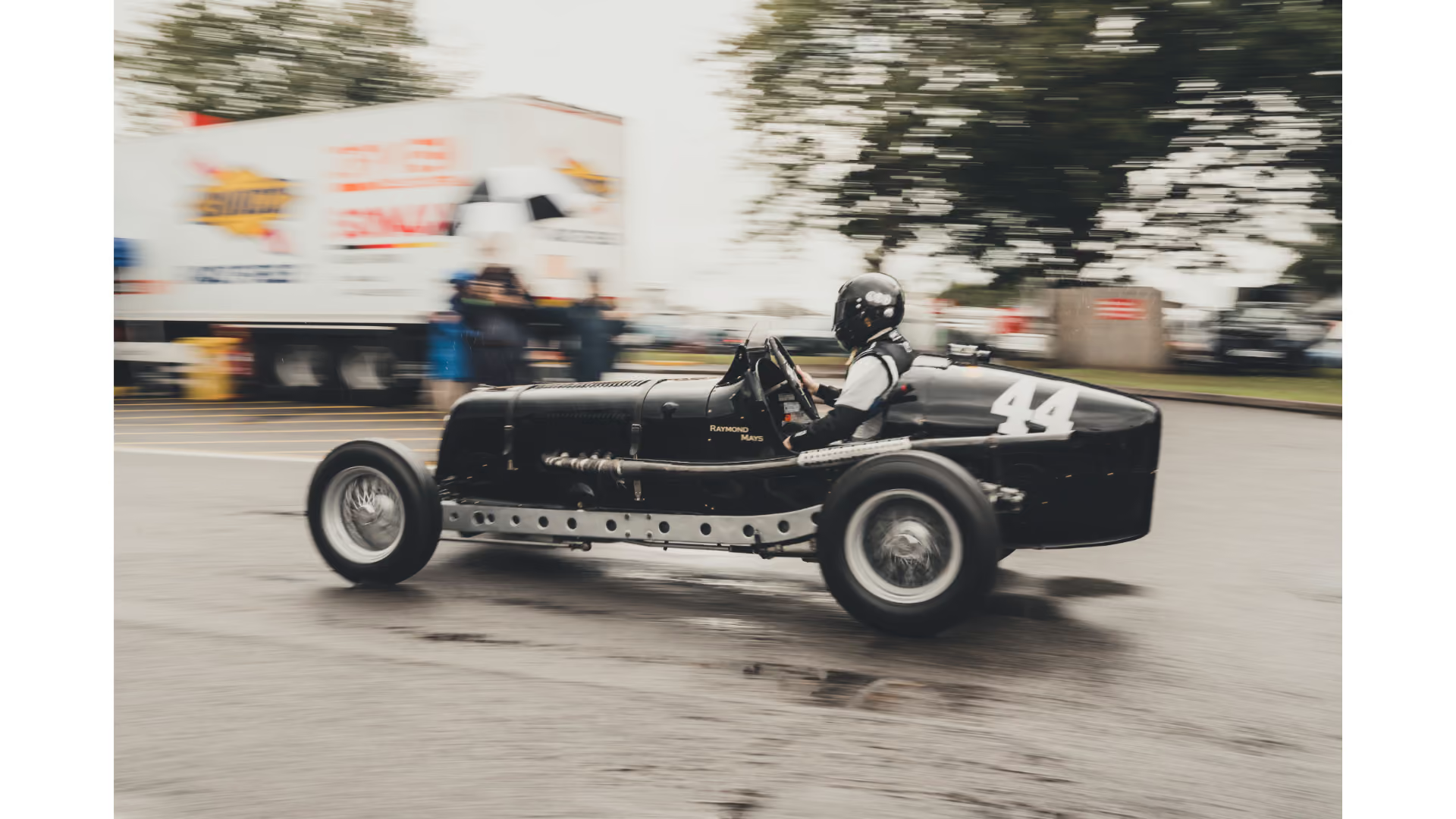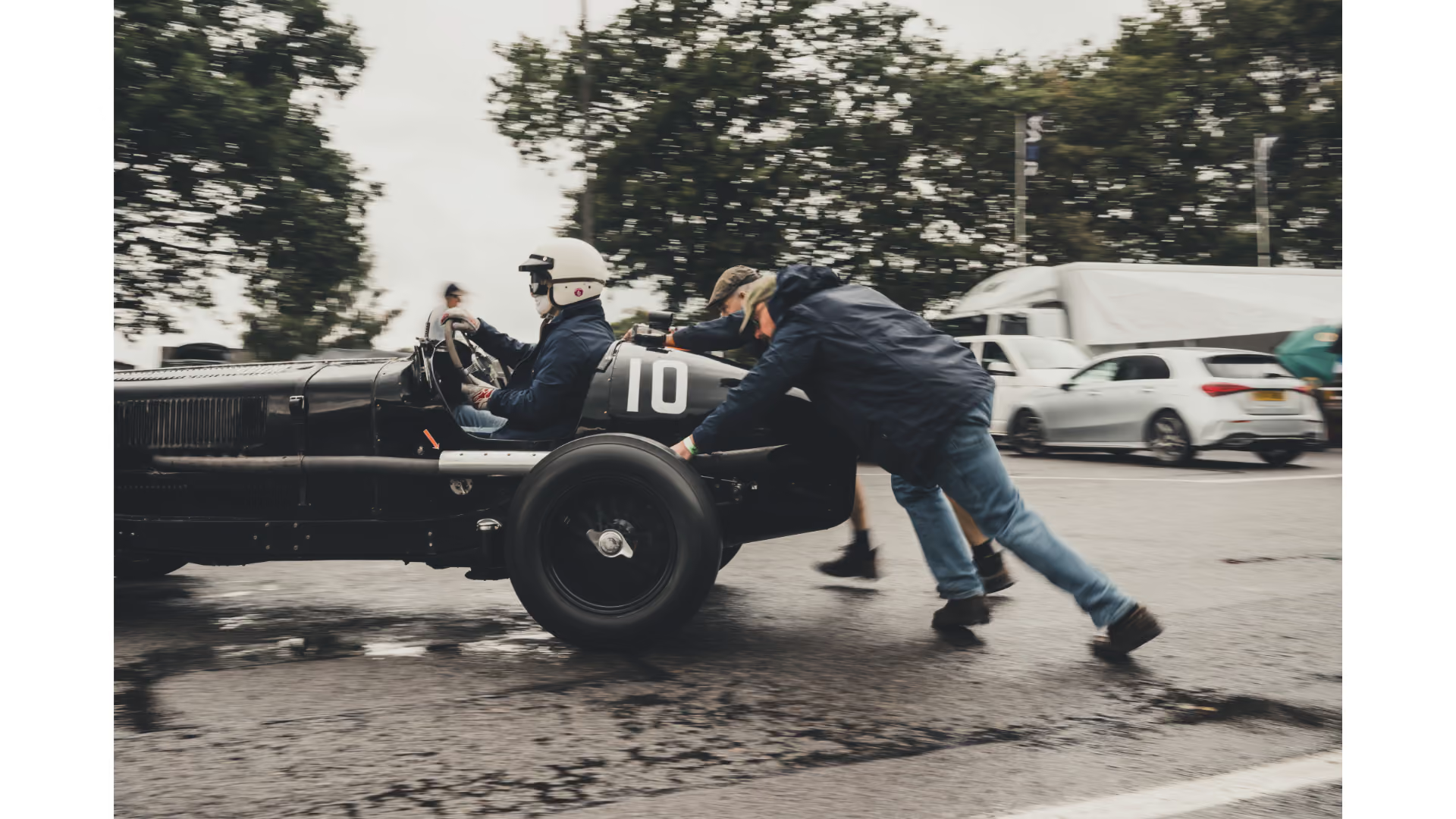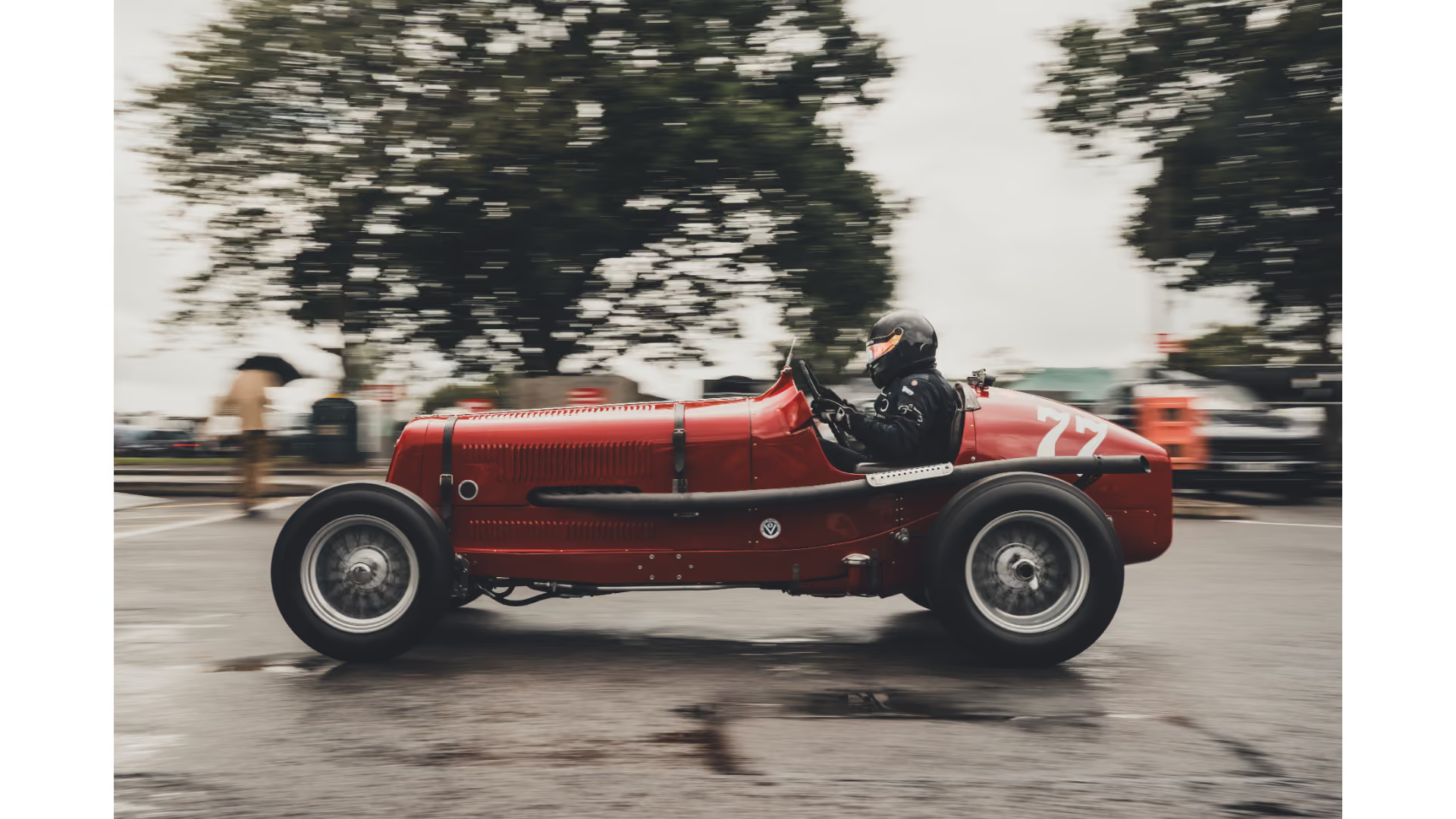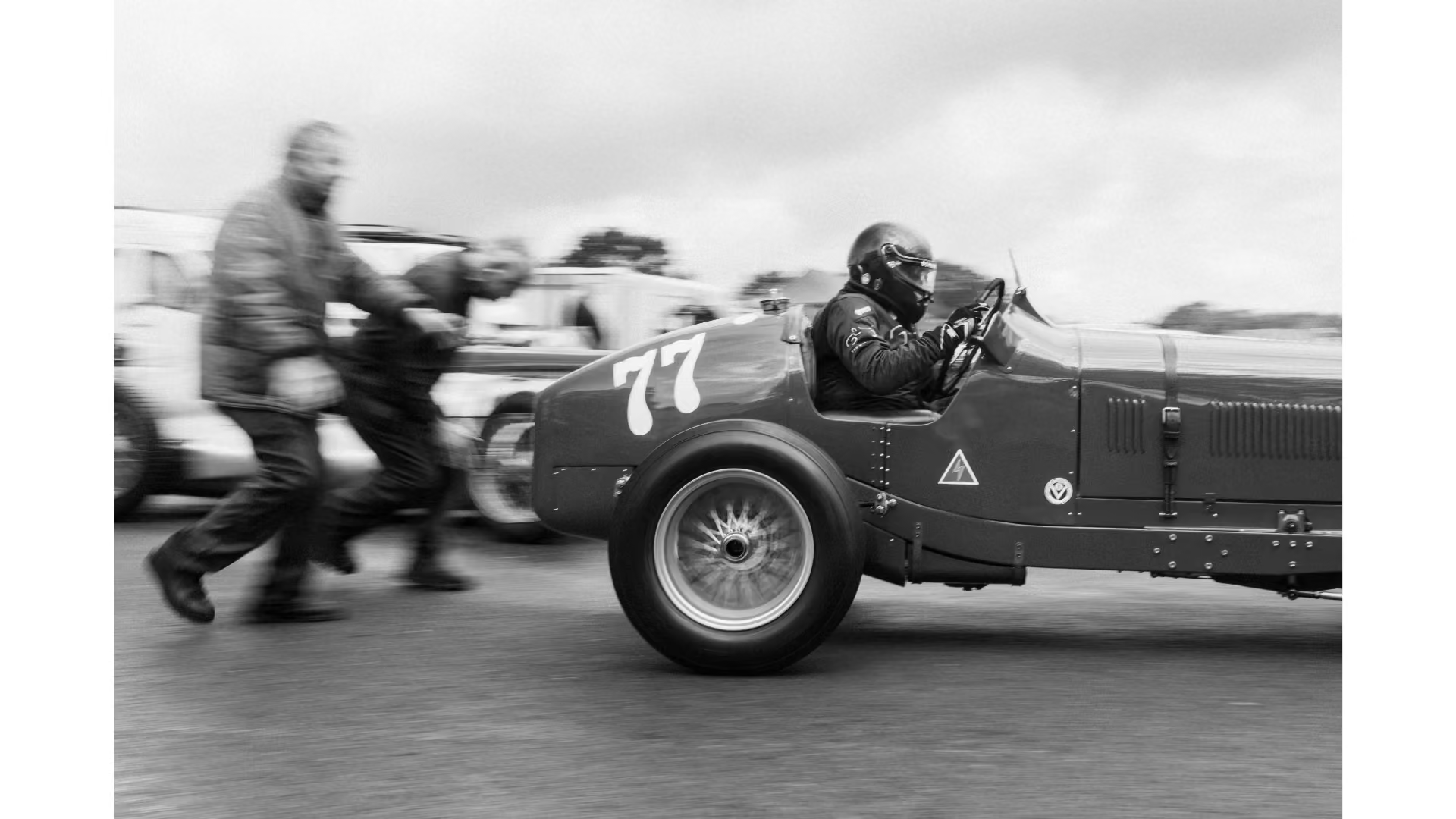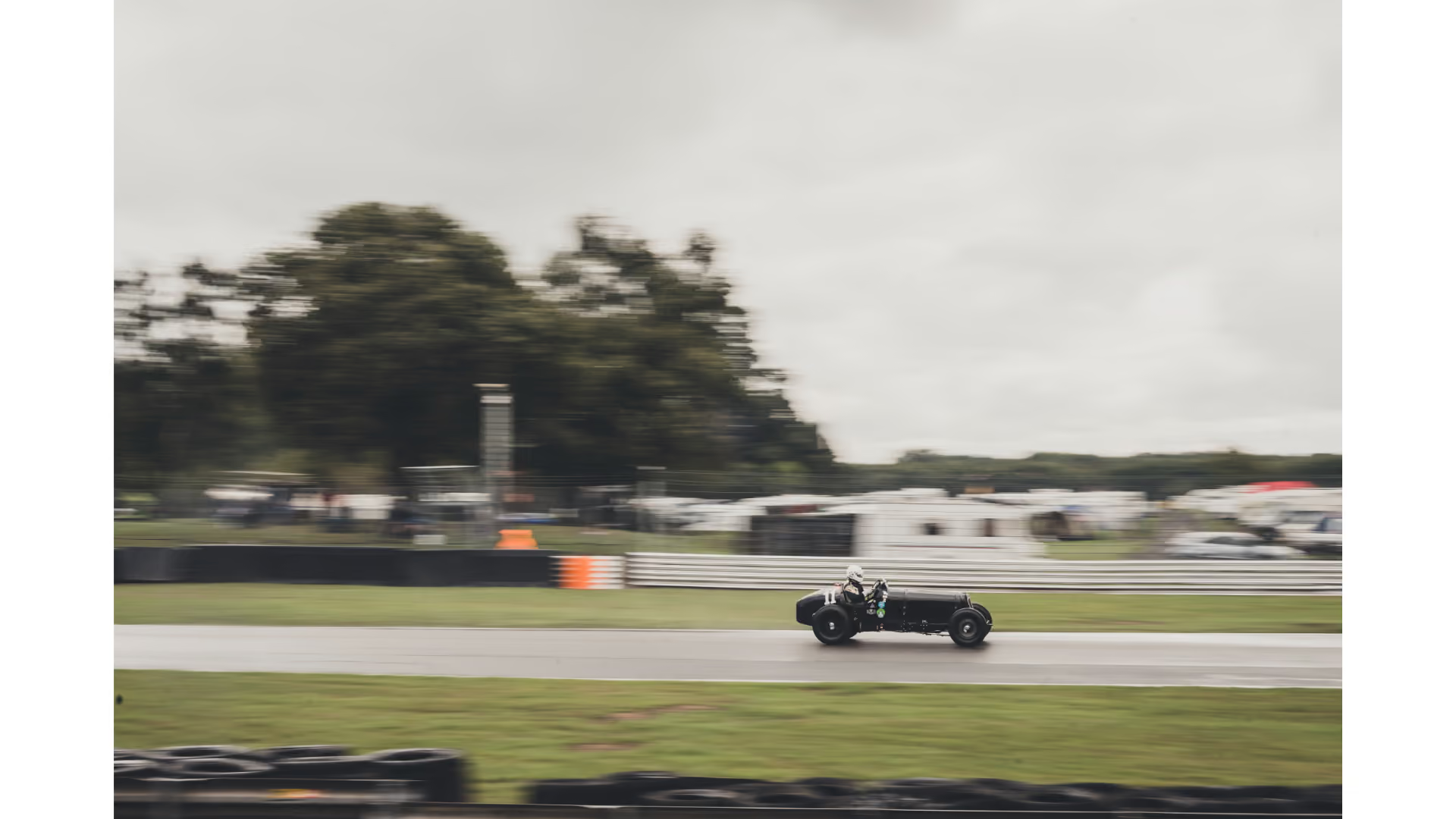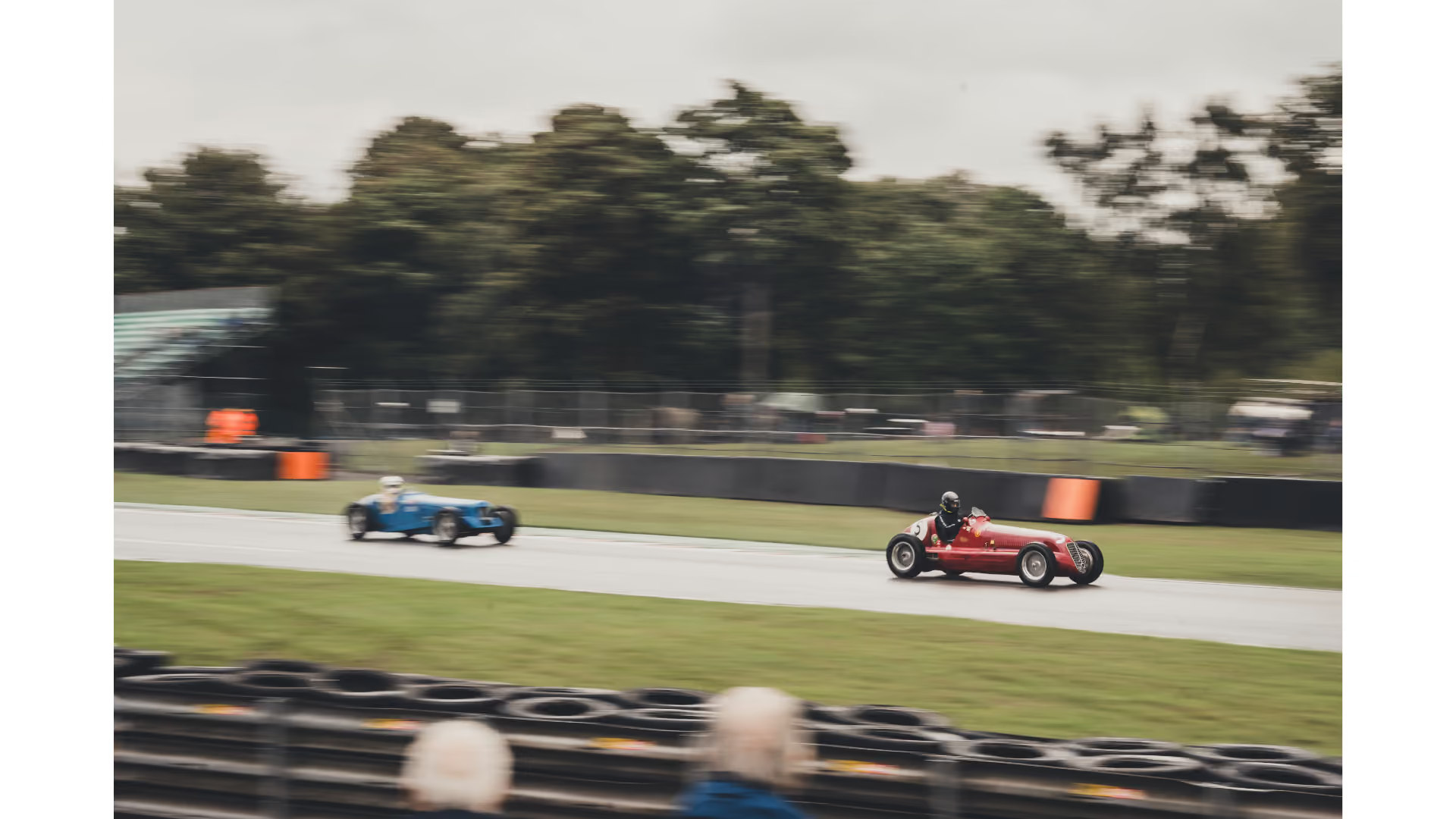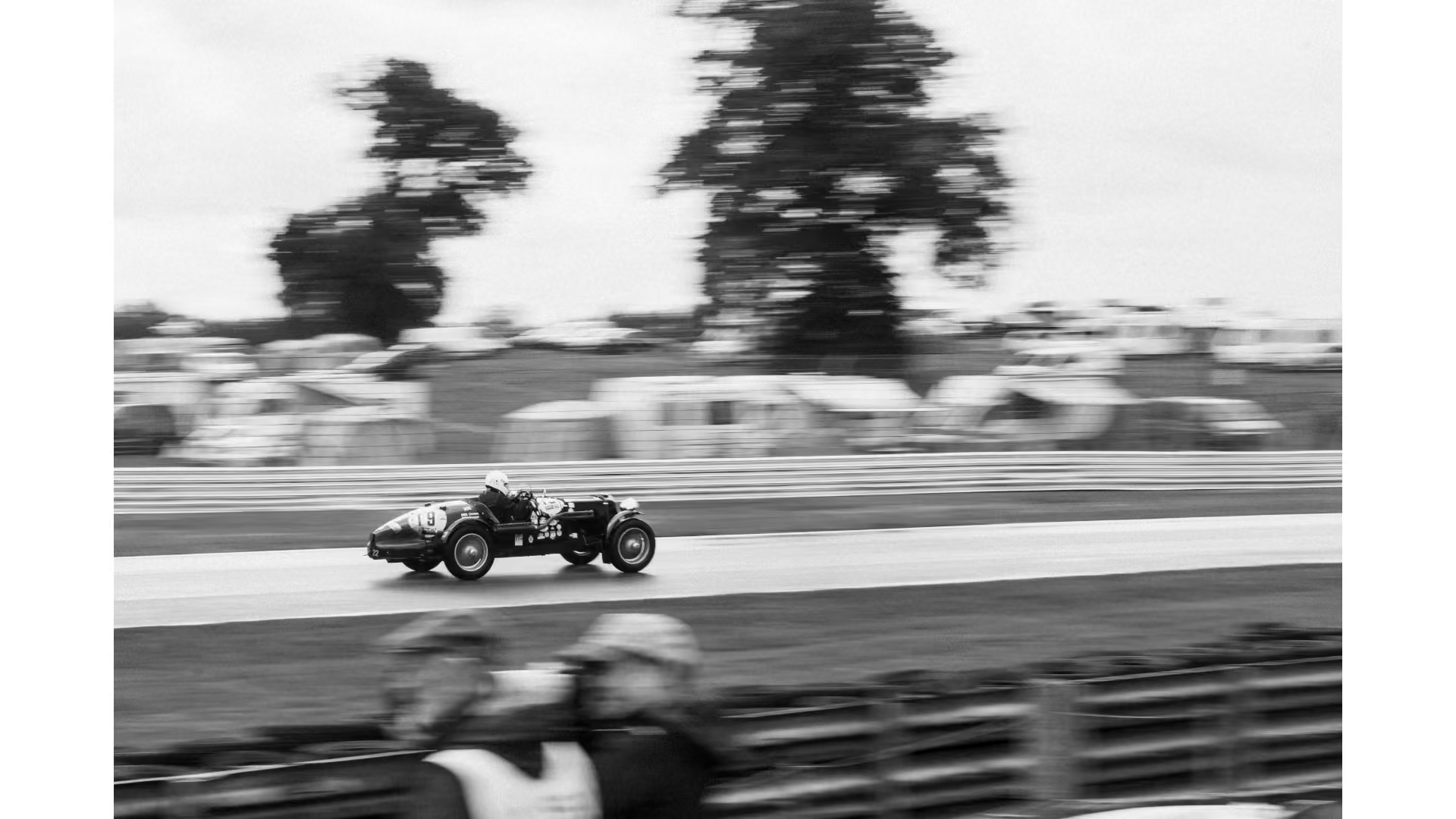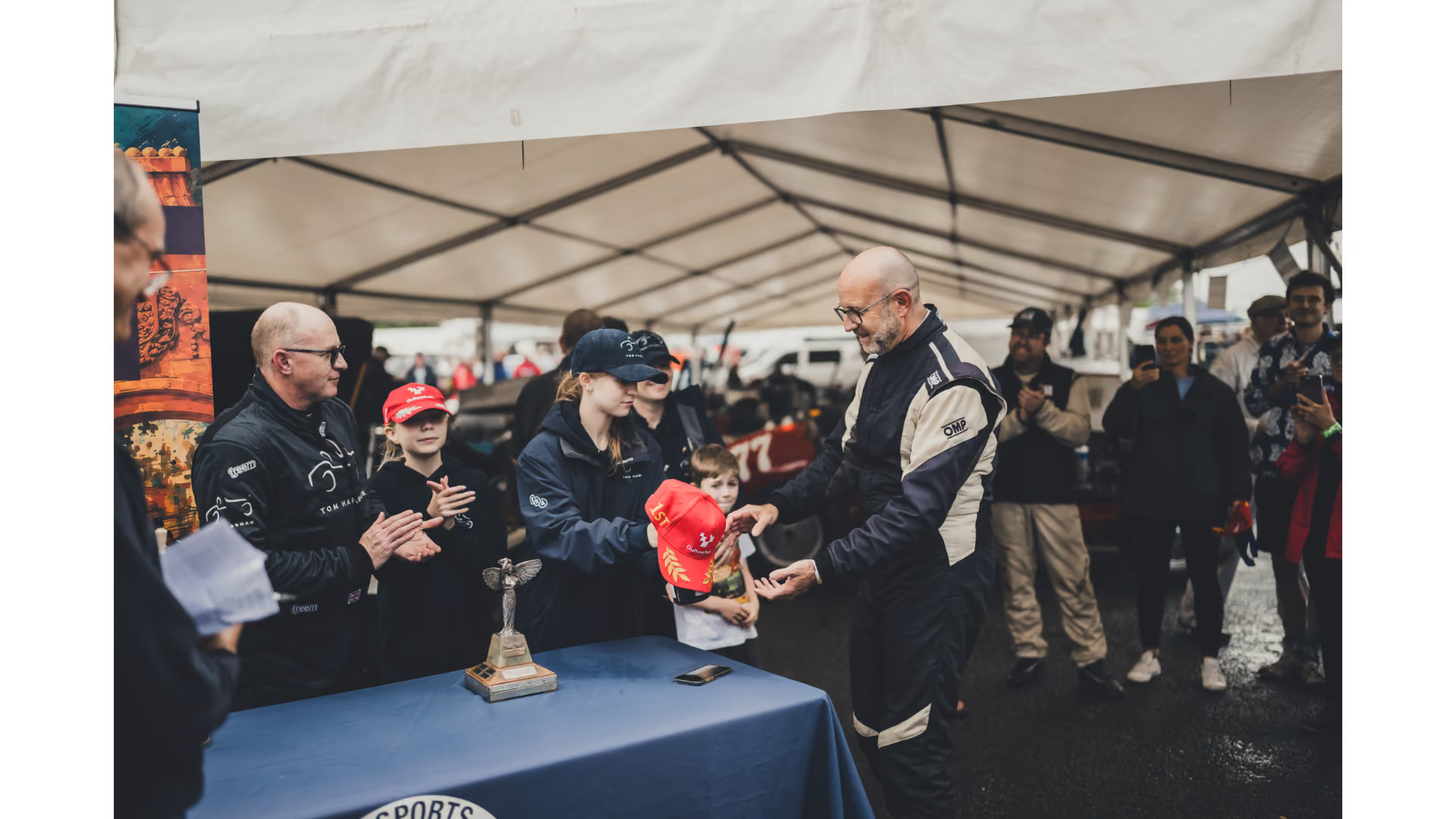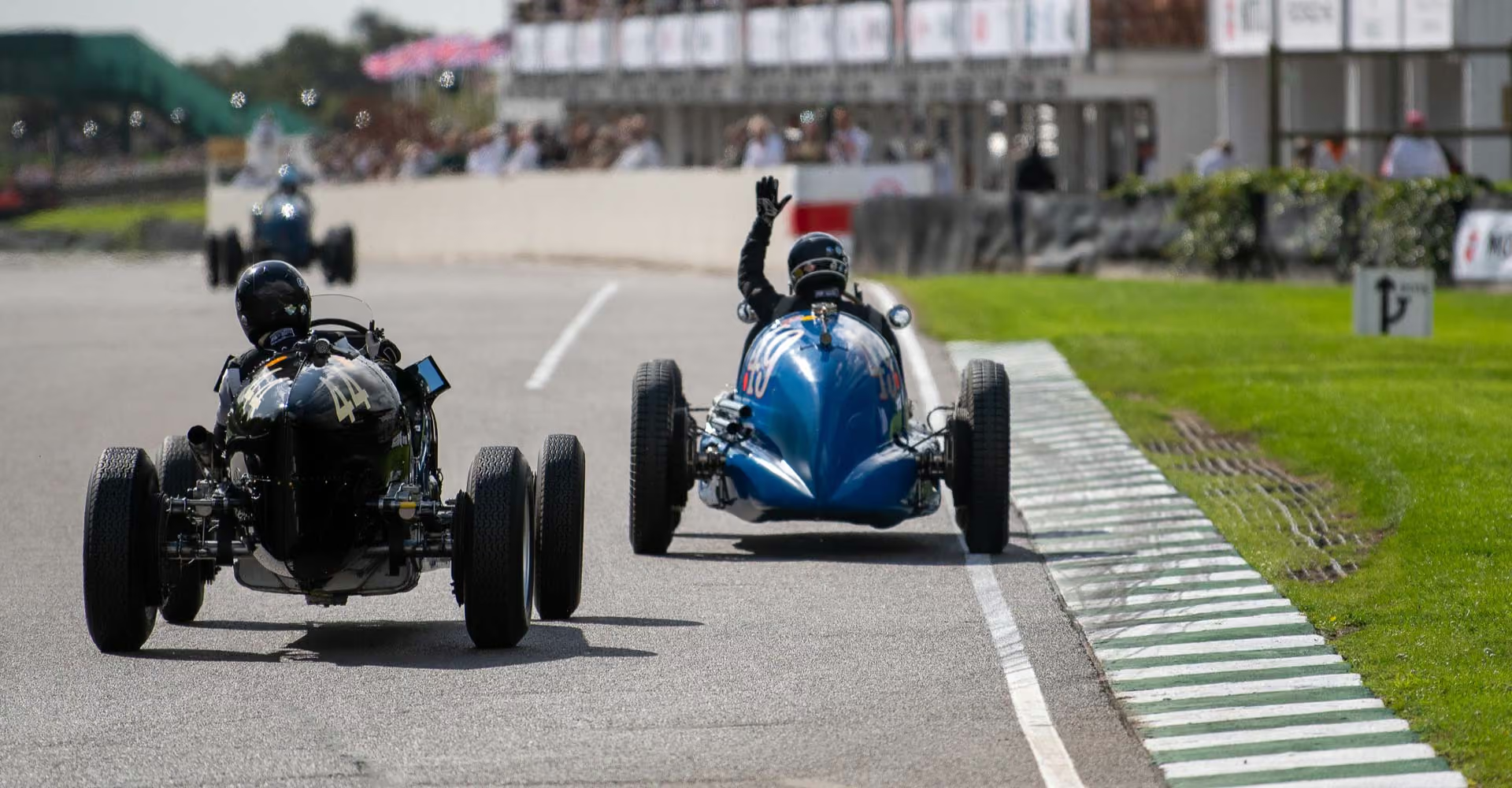


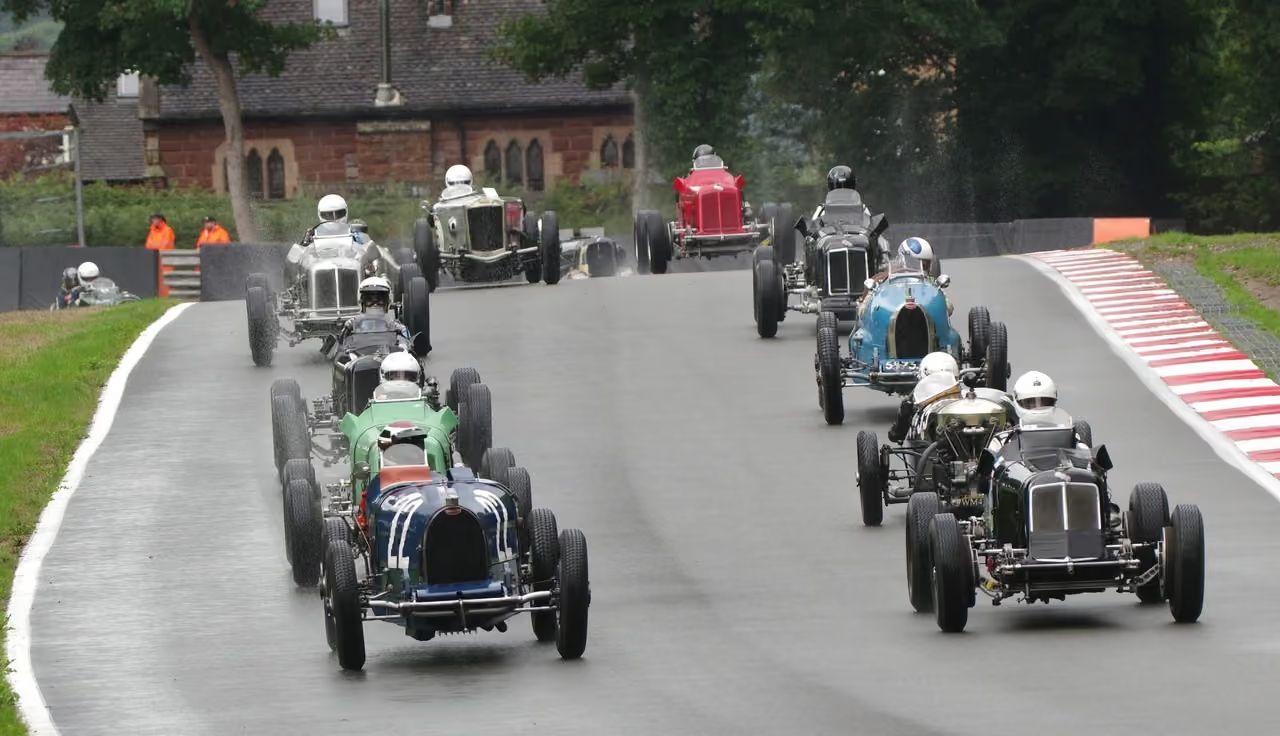
In conjunction with the Vintage Sports-Car Club, we were proud to present the Vintage and Seaman Trophies grid at the Oulton Park Gold Cup in 2026.
September 2026
The Vintage & Historic Seaman Trophy Races Return to Oulton Park - After 33 Years.
The Vintage & Historic Seaman Trophy Races returned to Oulton Park at the 2026 Gold Cup for the first time in three decades, bringing together 21 pre-war competition cars for a weekend that drew an exceptional response from drivers and spectators alike.
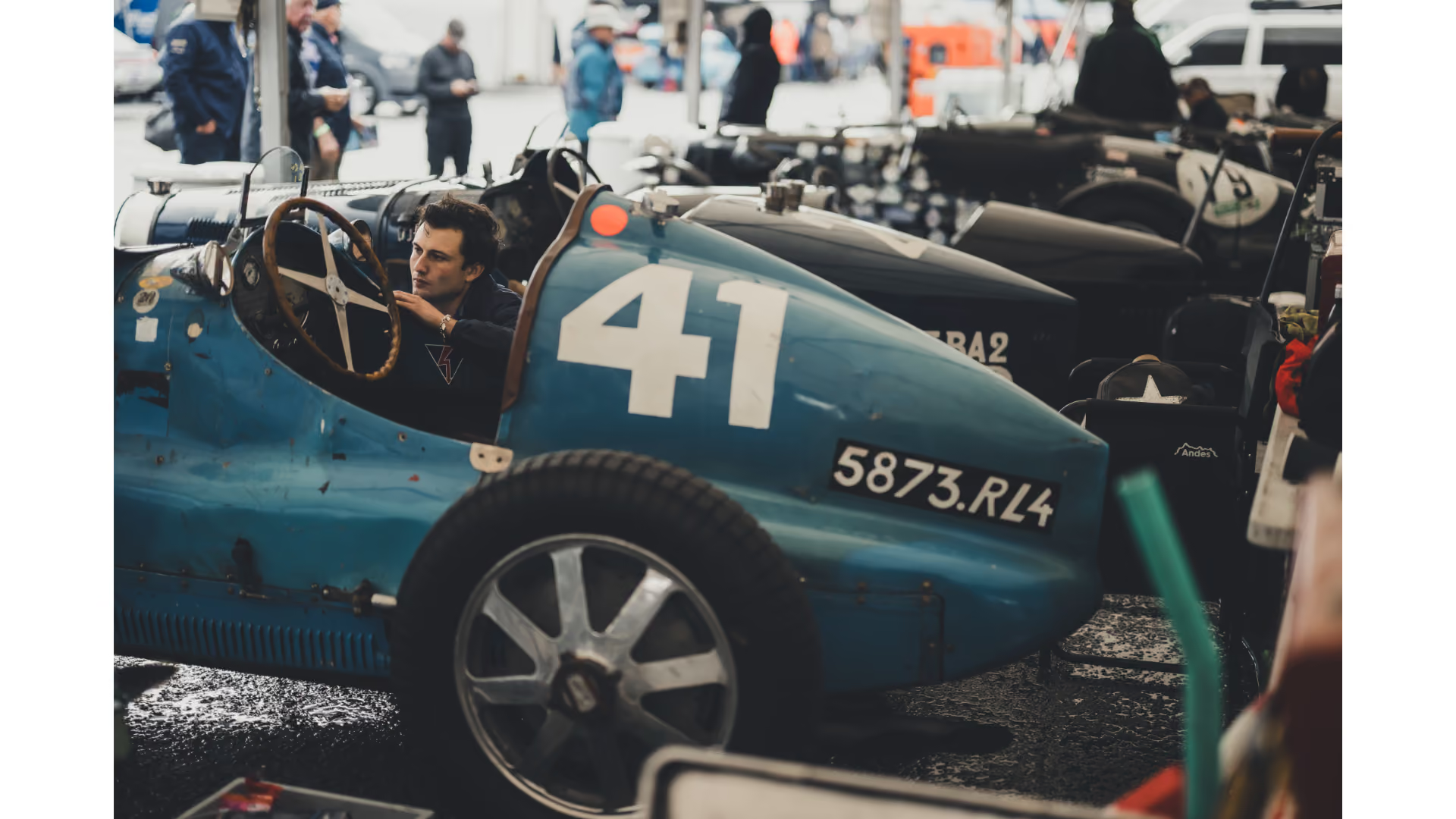
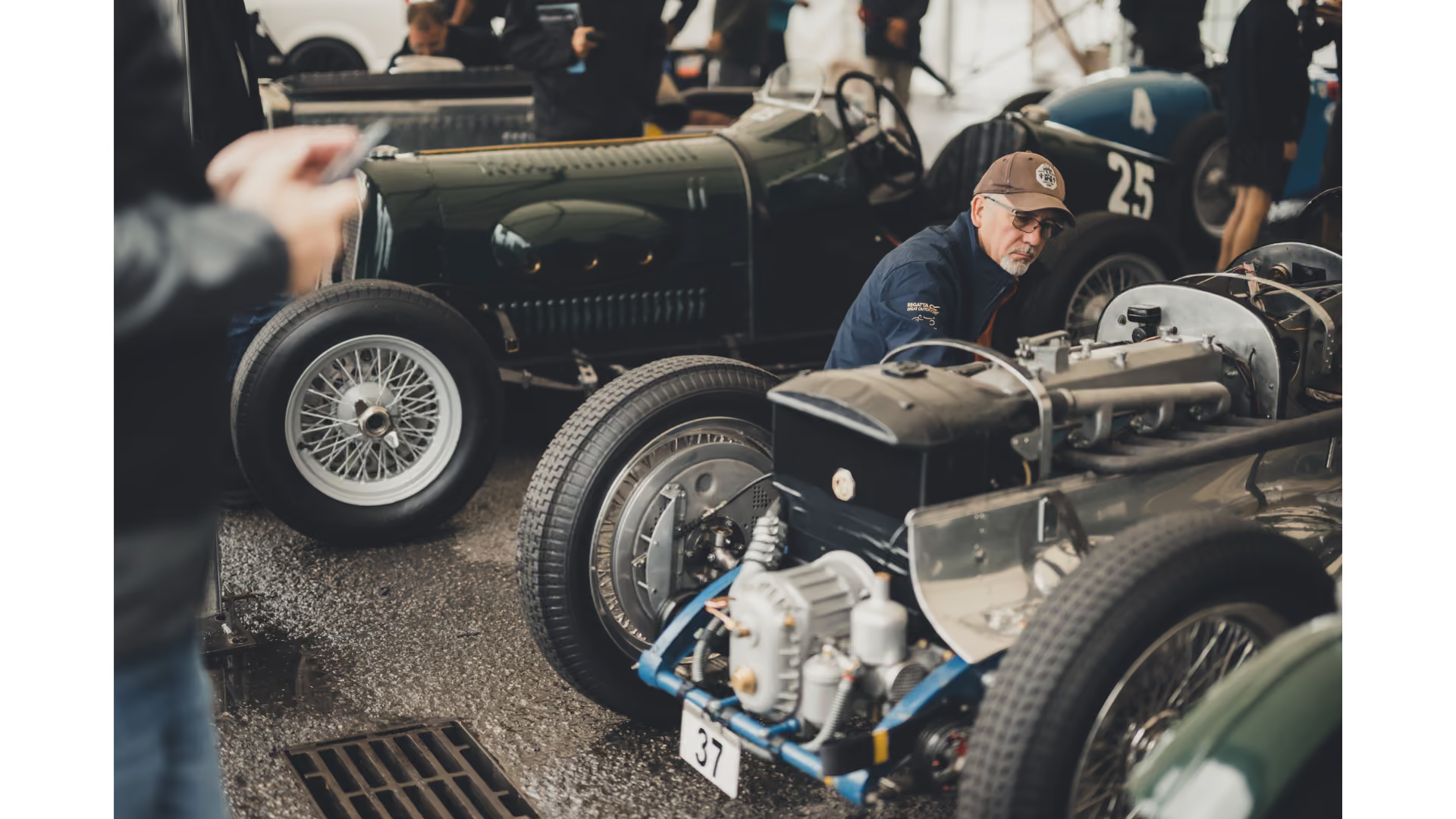
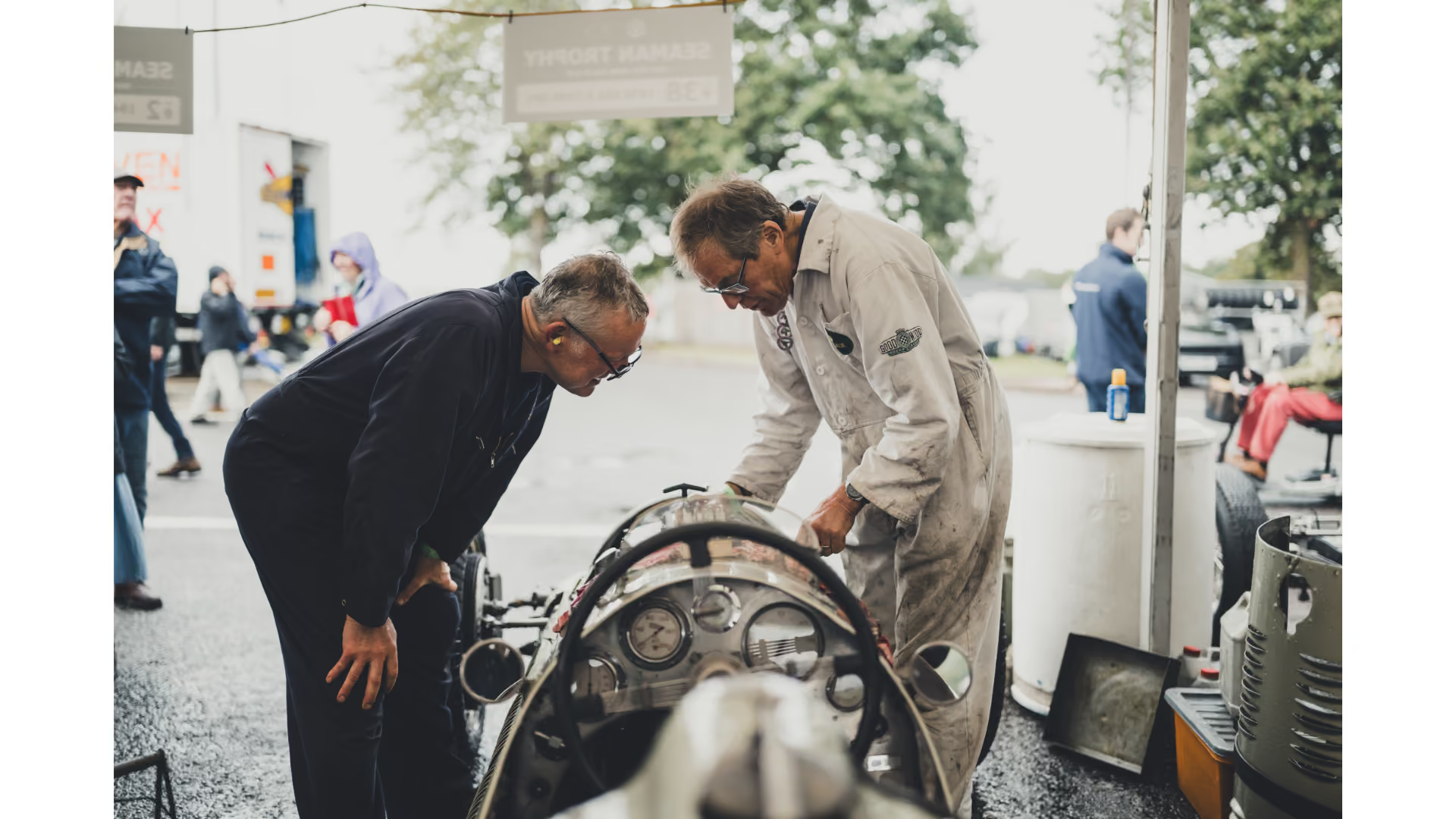
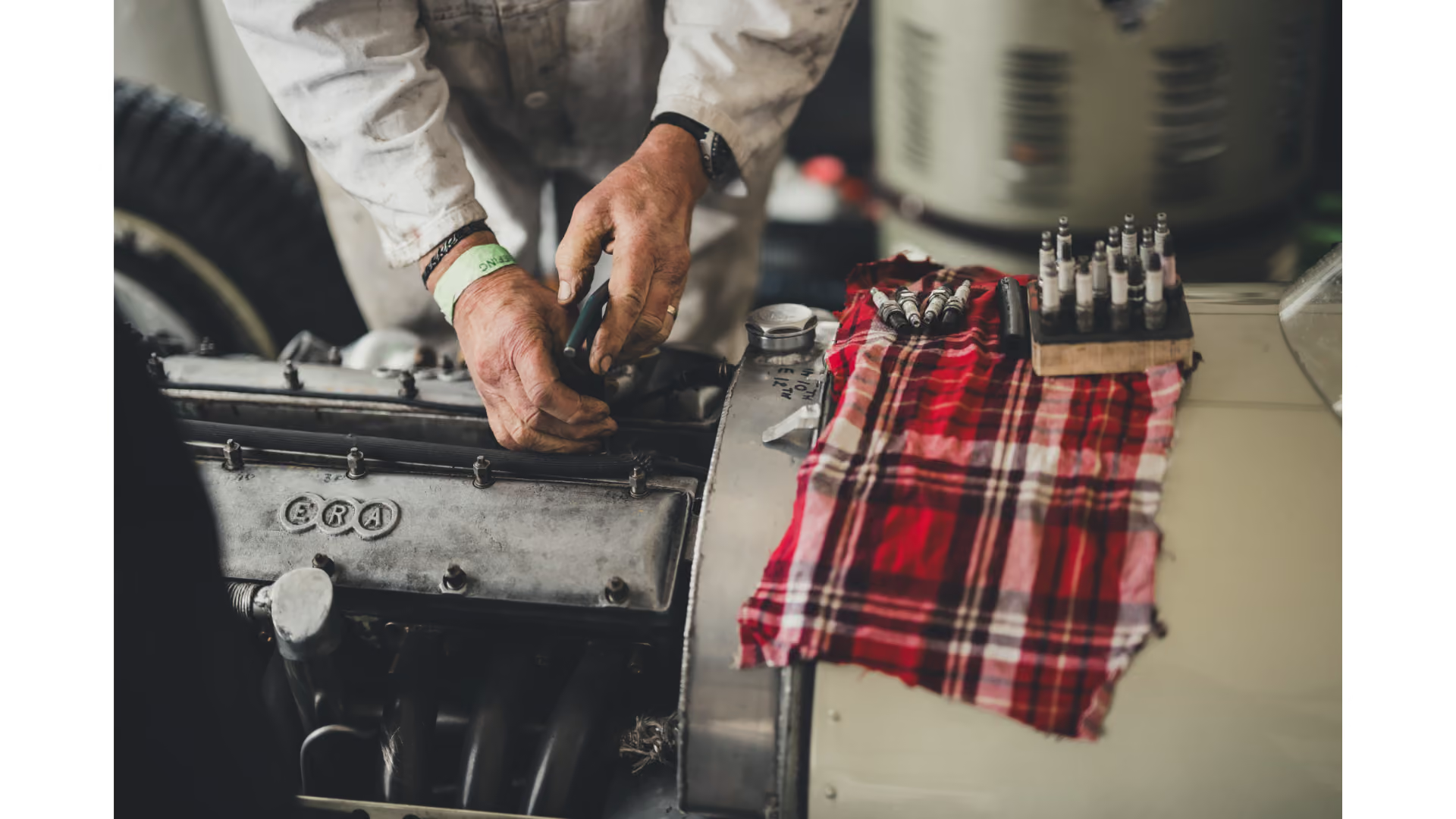
The grid included nine ERAs, alongside Delage, Maserati, Aston Martin, MG and a number of significant period specials. These were not demonstration runs or static displays: the cars were there to race.
The idea had started much earlier, in conversations in the paddock. We had become increasingly conscious that genuine pre-war Grand Prix and single-seater cars were appearing less often together in suitable competition. Listening to owners and drivers made it clear that the cars were still there, and so was the enthusiasm to race them, but the opportunities were becoming fewer.
We decided to see whether we could do something about it.
From Goodwood Revival in 2025 onwards, we began speaking directly to owners and drivers in the UK and overseas. What followed was months of phone calls, conversations and personal canvassing, with the aim of creating a race that people genuinely wanted to enter.
A historic race back at its traditional home
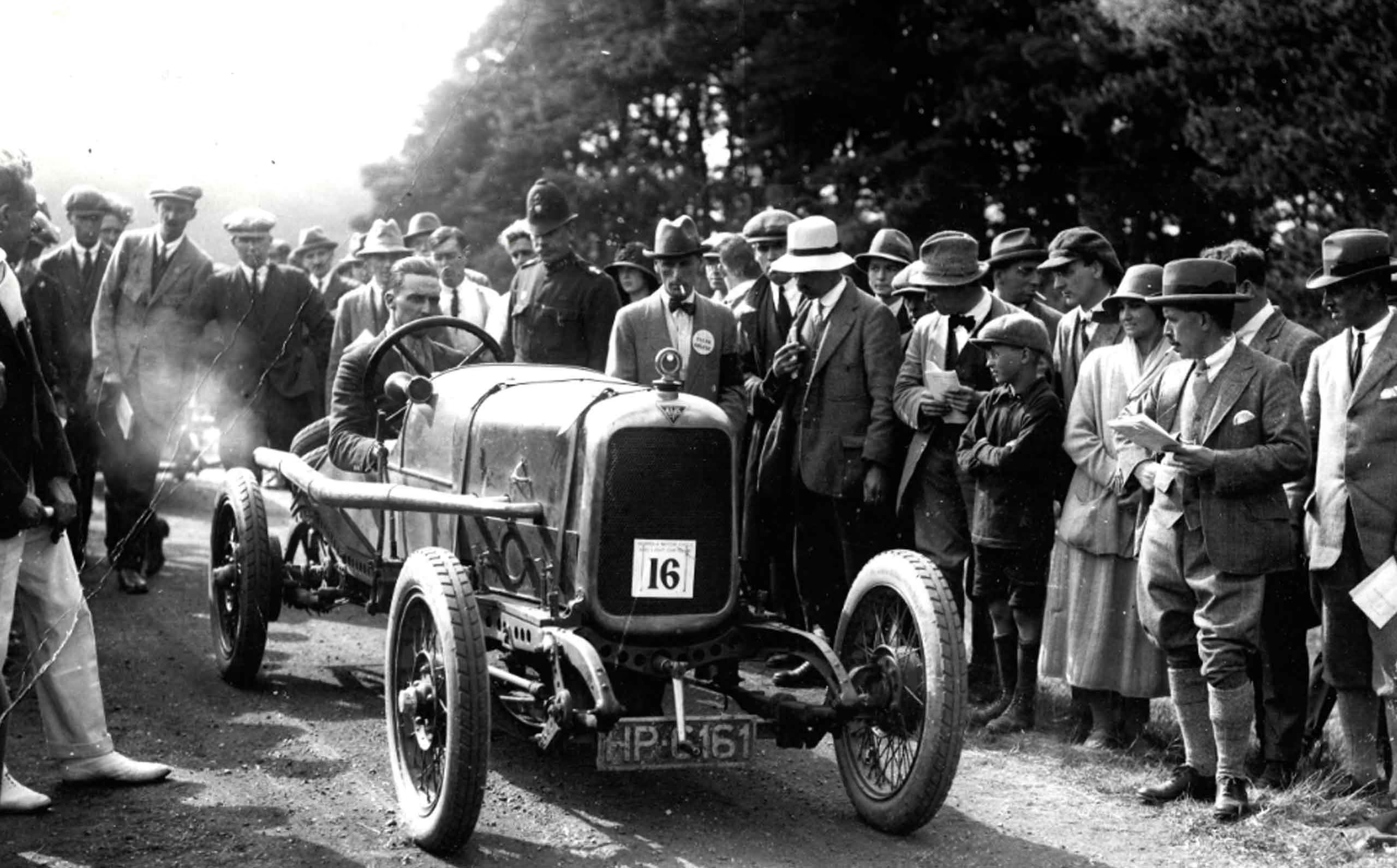
The Seaman Trophies themselves have a long history. Named in memory of Richard Seaman, one of Britain’s leading pre-war Grand Prix drivers, the Vintage and Historic trophies have been part of VSCC racing since 1950.
Oulton Park became the traditional home of the Seaman races in 1956, and for decades the meeting was an established fixture in the VSCC calendar. ERAs, Bugattis, Maseratis and other important racing cars competed there, with drivers including Patrick Lindsay, Martin Morris and Colin Crabbe forming part of its history.
Bringing the races back to Oulton therefore felt entirely appropriate. For Tom, there was also a personal connection: Oulton Park was where he first saw and heard cars of this type as a boy.
The VSCC’s support was fundamental in making the return possible, providing the framework and backing needed to turn the idea into a proper race at the Gold Cup.
Drivers at the centre
Getting the grid together was only part of the job. We wanted the weekend to work properly for the people responsible for keeping these cars running.
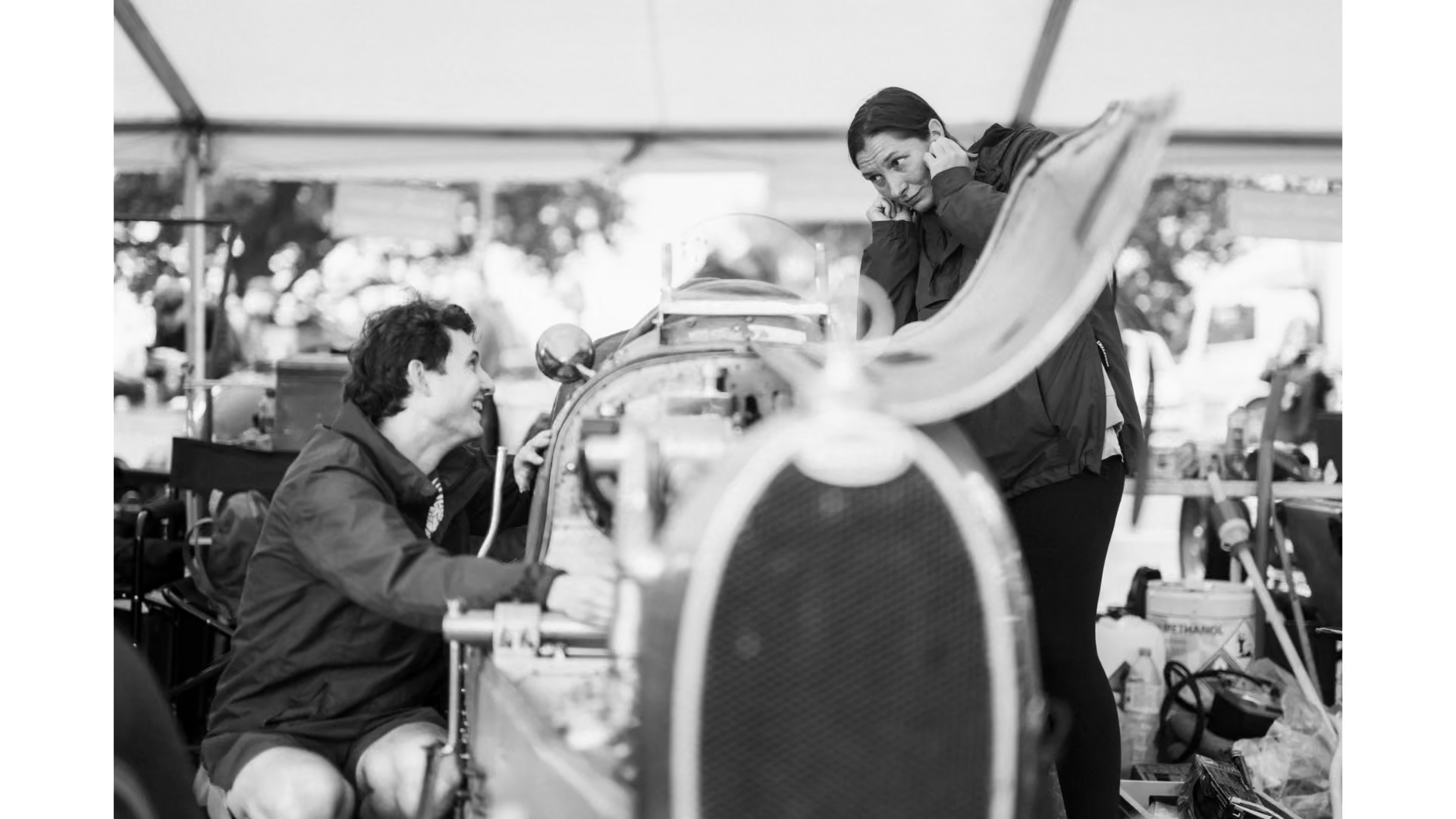
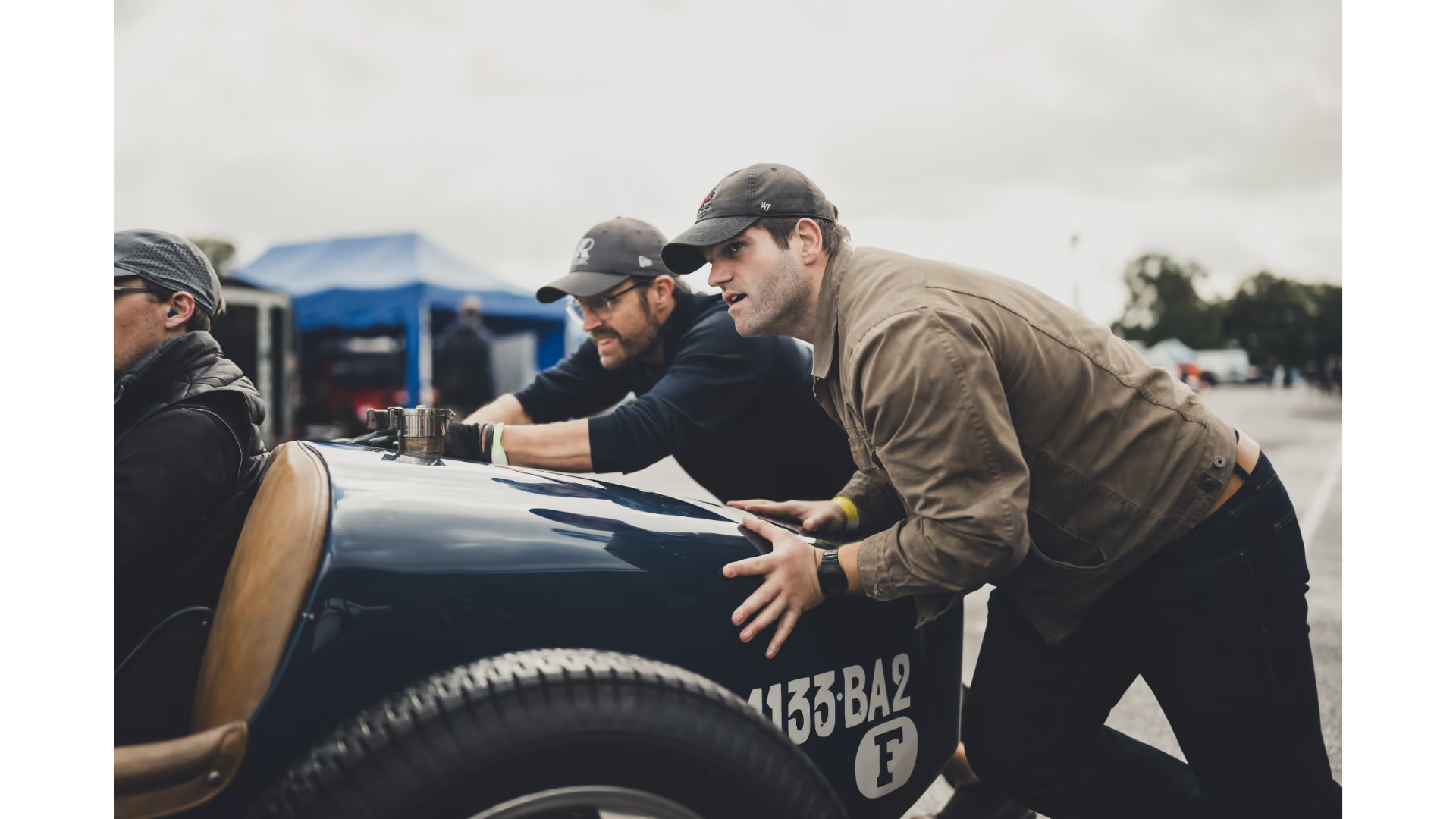
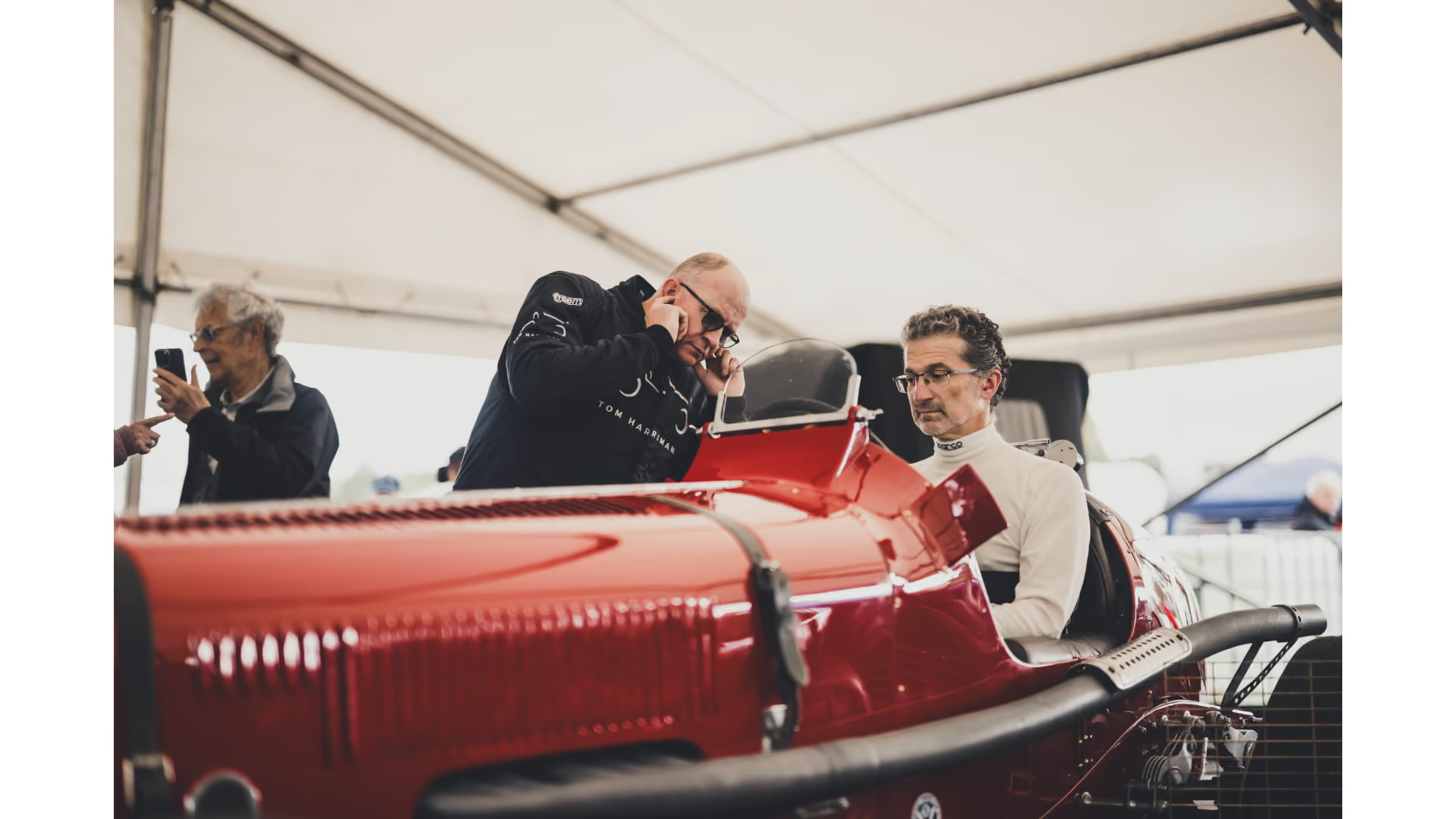
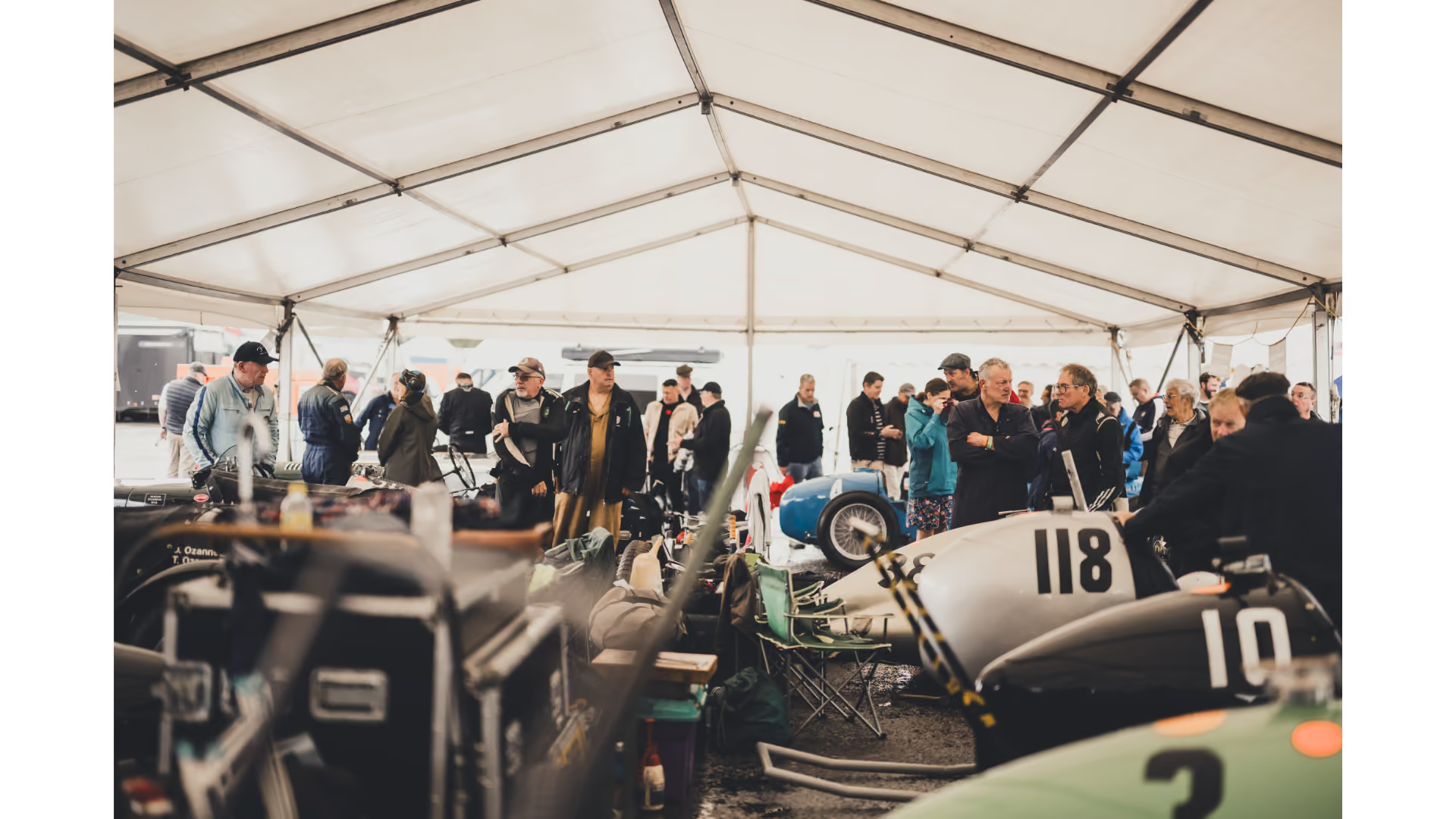
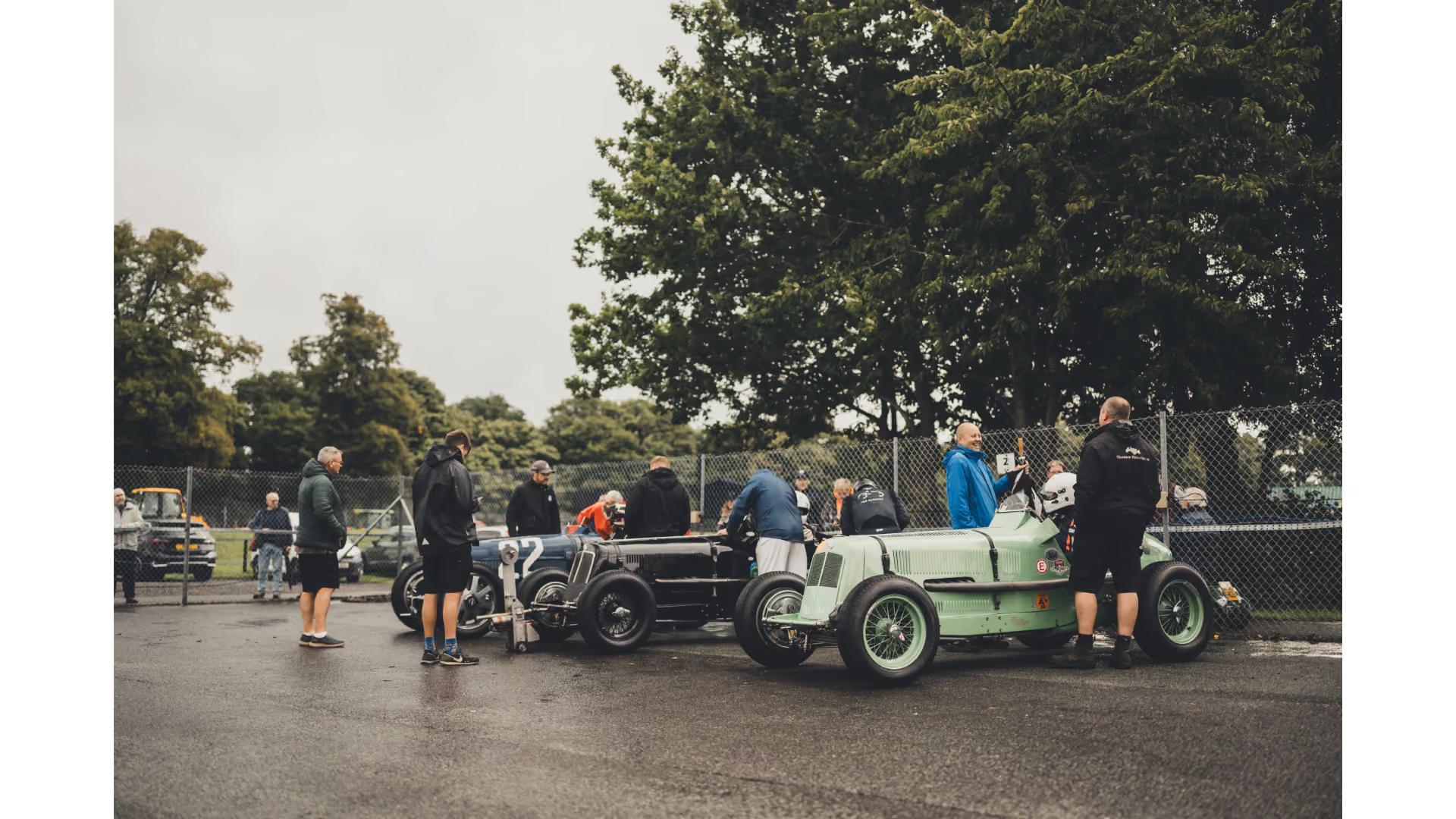
Pre-war racing machinery can be demanding, so the paddock was organised to make life as straightforward as possible. The cars were kept together under cover, trailers and support vehicles remained close by, and the Drivers’ Club gave drivers, mechanics and families somewhere to eat, sit and spend time together.
That helped create a great atmosphere in the paddock. Rather than disappearing into separate awnings and teams, people spent the weekend together, and the drivers responded extremely positively to the format.
The post-event messages said much the same thing: they had enjoyed the racing, enjoyed the atmosphere and, importantly, wanted to do it again.
The Racing
The racing itself was shaped by the weather. Saturday practice was wet, suiting Alex Read’s Bugatti Type 51 particularly well, while Sunday began damp before the circuit dried enough for the ERAs to come through. Mark Gillies won the first race in ERA R3A, ahead of David Morris in R11B ‘Humphrey’ and Michael Gans in R1B.
All the cars ran over the weekend - and the only retirement was GP2 - the ERA sister car to GP1 - which retired during the Saturday practice. However it was another victory for the event to bring the two cars back together on a circuit in many year, even if it was only during practice.
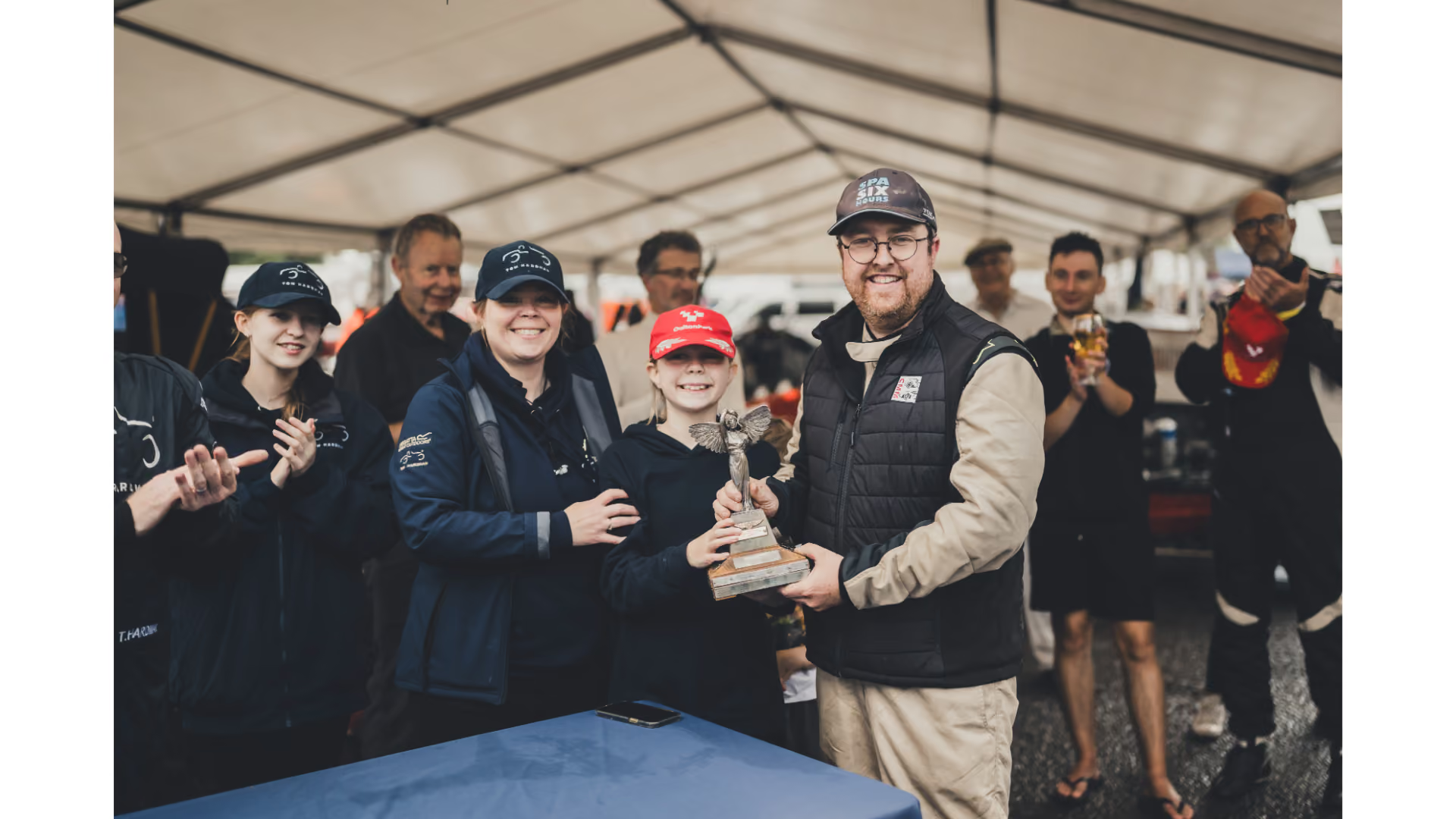
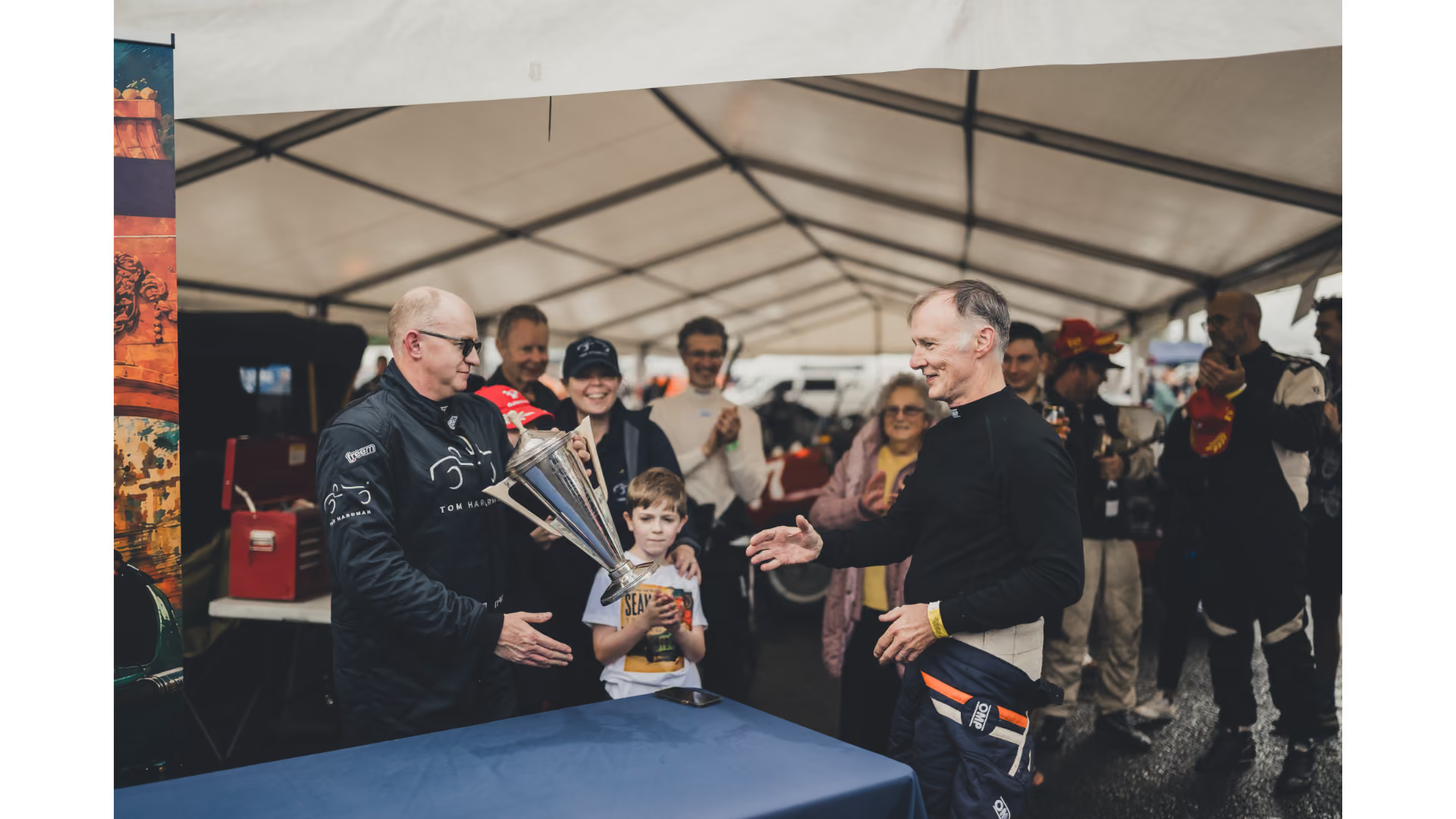
Monday was much more slippery, with Gans taking the second win ahead of Gillies and Ben Fidler in R4D; Gillies’ combined results were enough to secure the Historic Seaman Trophy on aggregate.
What was most satisfying for us though, was seeing the cars and drivers out on track together, racing safely and coming home. The feedback from the drivers was exactly what we hoped for - they had a great weekend of racing.
A remarkable public response
The reaction from visitors was equally encouraging.
Spectators packed around the cars in the paddock and lined the circuit to watch machinery that many had never previously seen racing. Others had very different memories: comments after the event recalled the original Seaman meetings of the 1960s, 70s and 80s, family visits to Oulton Park and the sound and smell of those earlier race weekends.
For some, the event brought those memories back. For others, it was their first opportunity to see an ERA, Delage or Maserati being used as intended.
That response was one of the most satisfying parts of the weekend. Historic racing ultimately needs an audience as well as competitors, and the Gold Cup allowed us to put these cars in front of people well beyond the usual pre-war racing community.
What happens next?
We have been so overwhelmed by the success of the event and the response from the drivers, the public and the industry that we are currently exploring the possibility of returning to Oulton Park in 2027.
Watch this space!