
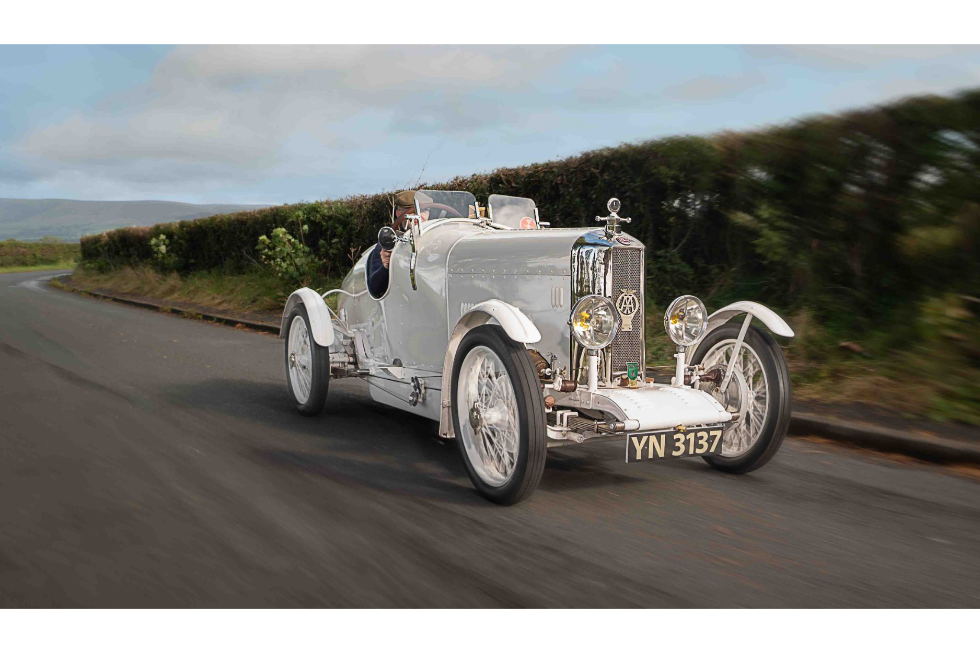


Unveiling the Legacy: The 1931 MG C-Type Montlhéry Midget
Few cars evoke the pioneering spirit of pre-war motorsport quite like the MG C-Type Montlhéry Midget. Born from a golden era of innovation and audacious speed records, this car encapsulates MG’s dominance in the 1930s racing scene. One chassis, in particular, stands out: Chassis C0278, a vehicle steeped in both competitive and cultural significance.
The Origins of the C-Type: A Record-Breaking Inspiration
The MG C-Type Montlhéry Midget owes its existence to the engineering brilliance behind the MG EX120. Piloted by George Eyston, EX120 shattered records by being the first 750cc car to exceed 100 mph. To capitalize on this achievement, MG crafted just 44 examples of the C-Type Montlhéry Midget in 1931-32, embodying the same spirit of performance and innovation.
Equipped with a 746cc SOHC inline-four engine, a close-ratio ENV gearbox, and a lightweight, nimble chassis, the C-Type was built for speed. Its diminutive proportions, coupled with advanced engineering, offered an extraordinary power-to-weight ratio that enabled it to excel at events like Le Mans, the Mille Miglia, and the RAC TT.
Chassis C0278: A Unique Piece of MG History
Among the surviving 26 examples, Chassis C0278 boasts a story as captivating as the car itself. Originally delivered in bare-chassis form to the renowned coachbuilding firm Jarvis of Wimbledon, it served as the company’s demonstrator. Under the direction of Jimmy Palmes—an instrumental figure in developing MG’s record-breaking EX120—it was fitted with a bespoke aluminium 2+2 body featuring advanced components like a slab petrol tank and custom exhaust.
This car’s journey didn’t end with its demonstrator days. After being used extensively, it found a home with a vicar, who drove it daily for nearly 20 years. In the 1960s, art critic Brian Sewell acquired the car, initiating another chapter in its life.
A Restoration Honoring Its Heritage
By 2016, C0278 found its way into the care of the Potter family, dedicated enthusiasts of MG’s C-Type models. Over the course of two years, the car underwent a meticulous restoration that balanced authenticity with usability. Its engine, chassis, and body were sympathetically refurbished, retaining as much originality as possible while integrating subtle modern upgrades for reliability.
Key elements of the restoration included a new billet crank, Phoenix rods, and a Bayton Jones camshaft. The factory two-seater body—originally from C0284—was stripped and carefully repaired, preserving the car’s aesthetic and structural integrity. The result was a vehicle capable of excelling on both the track and touring roads.
From the Track to the Concours Lawn
C0278’s recent history is a testament to its versatility and enduring appeal. Between racing events at Goodwood, Silverstone, and Zandvoort and rallies across Europe, the car has proven itself a capable and thrilling performer. Equally at home in prestigious concours events, it has graced Salon Privé and Heveningham Concours, earning accolades for its immaculate presentation and provenance.
In May 2024, the car returned to its spiritual home at the Vintage Revival Montlhéry, where it shared the track with two other C-Types, including the famed C0284. This poignant moment underscored its historical significance and connection to MG’s golden era.
Why the MG C-Type Continues to Captivate
The MG C-Type Montlhéry Midget represents an era of bold experimentation and unrelenting pursuit of excellence. Chassis C0278, with its unique history and careful preservation, stands as a tribute to MG’s racing heritage and the individuals who pushed the boundaries of what was possible in automotive engineering.
Whether admired for its mechanical ingenuity, celebrated racing history, or sheer driving pleasure, the C-Type remains a cornerstone of vintage motorsport. Its enduring legacy ensures its place in the hearts of enthusiasts for generations to come.